























































































US-Iran Peace Deal, What has been agreed

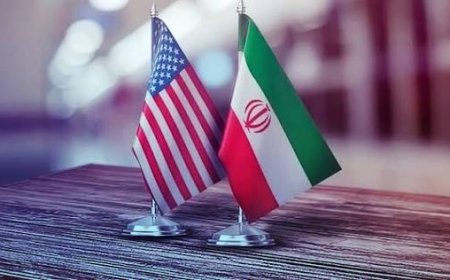
The United States and Iran are expected to formally sign a landmark peace agreement on Friday, marking what could be the end of more than 100 days of conflict that has shaken the Middle East, disrupted global energy markets and raised fears of a wider regional war.
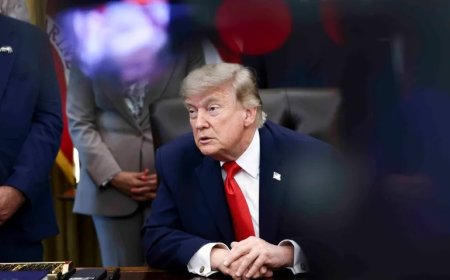
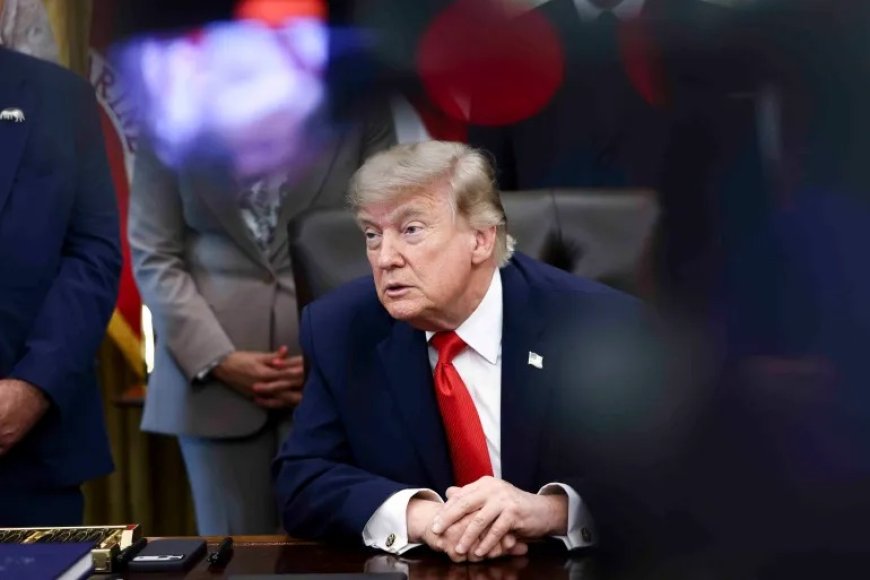
US President Donald Trump announced that a comprehensive agreement with Iran had been finalized and would be signed later this week.
Tehran subsequently confirmed that an end to hostilities is imminent, with Iranian officials indicating that military operations are expected to cease permanently beginning Monday.
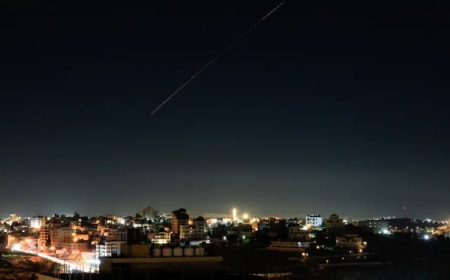
The war began on February 28, 2026, following a large-scale US-Israeli military assault on Iran.
Since then, the conflict has spread across several fronts, including tensions involving regional allies and strategic waterways.
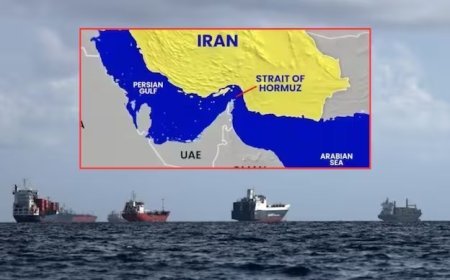
One of the most significant developments during the conflict was Iran’s effective control over the Strait of Hormuz, a vital global shipping route through which a substantial portion of the world’s oil supply passes.
Pakistan and Qatar have played crucial roles as mediators throughout the negotiations.
Pakistani Prime Minister Shehbaz Sharif was among the first leaders to announce that an agreement had been reached, describing it as a “Permanent termination of military operations on all fronts”, including Lebanon.
According to details released by Iranian media, the draft agreement contains 14 key provisions aimed at restoring stability to the region.
Among the most important measures is an immediate and permanent ceasefire between the two countries and their allies.
The agreement is also expected to guarantee the reopening of the Strait of Hormuz to international shipping and the lifting of the US naval blockade that has been in place during the conflict.
Washington is reportedly committed to withdrawing military forces positioned around Iran, while sanctions affecting Iranian oil exports are expected to be suspended.
Another major element of the proposed deal involves frozen Iranian assets.
Reports indicate that approximately $24 billion in Iranian funds currently held abroad will be released during a 60-day negotiation period designed to finalize long-term arrangements between the two countries.
Nuclear issues remain a central component of the agreement.
Both sides are expected to negotiate a final framework concerning Iran’s nuclear programme within 60 days of signing the deal.
However, discussions relating to Iran's missile programme and support for regional resistance groups have reportedly been removed from the negotiating agenda.
US Vice President JD Vance welcomed the breakthrough, describing it as the beginning of a “New era” for the Middle East.
Secretary of State Marco Rubio also praised the development, crediting President Trump for securing the agreement.
Iranian Deputy Foreign Minister Kazem Gharibabadi confirmed that Tehran expects military operations to end permanently once the agreed conditions are implemented.
He stressed that Iran would verify US commitments, including sanctions relief and the release of frozen assets, before entering the final phase of negotiations.
The official signing ceremony is scheduled to take place in Switzerland on June 19, with technical meetings expected throughout the week.
If successfully implemented, the agreement would largely restore the regional status quo that existed before the outbreak of war and could represent one of the most significant diplomatic breakthroughs in the Middle East in recent years.
What's Your Reaction?
 Like
0
Like
0
 Dislike
0
Dislike
0
 Love
0
Love
0
 Funny
0
Funny
0
 Angry
0
Angry
0
 Sad
0
Sad
0
 Wow
0
Wow
0