

















































































US and Iran agree peace deal to end four-month war

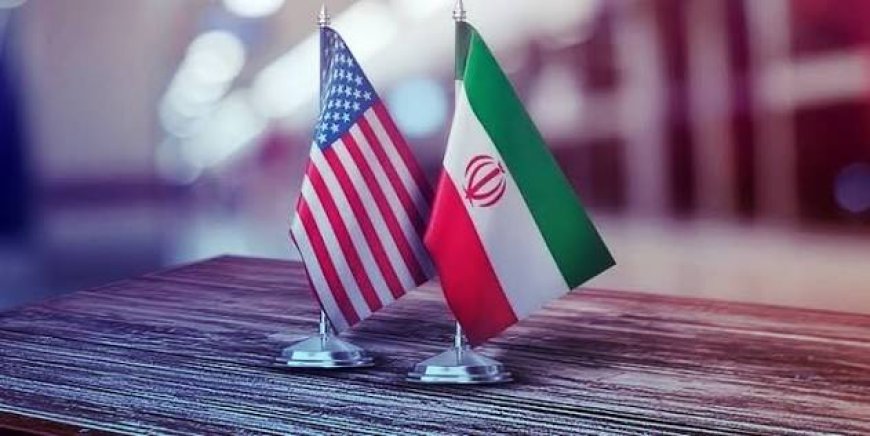
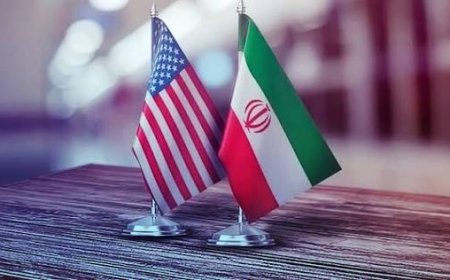
A landmark peace agreement between the United States and Iran has been reached, bringing an end to a conflict that has shaken the Middle East and disrupted global energy markets since war erupted on 28 February 2026.
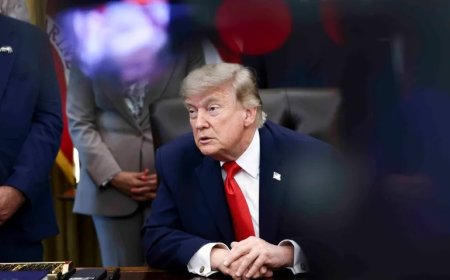
The breakthrough was confirmed by US President Donald Trump and senior Iranian officials, who announced that the text of the agreement had been finalized ahead of a formal signing ceremony scheduled to take place in Switzerland on Friday.
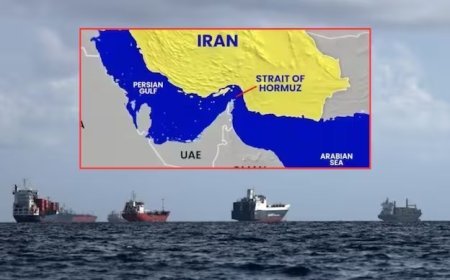
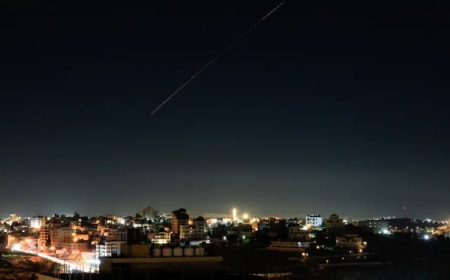
The war, which escalated into one of the most dangerous regional crises in recent years, triggered widespread instability across the Middle East, led to the closure of the strategically vital Strait of Hormuz, and sent global oil prices soaring.
The conflict also raised fears of a wider regional confrontation involving several countries and armed groups allied to Tehran.
Speaking after the agreement was reached, President Trump declared that the deal was “now complete” and confirmed that the United States would end its naval blockade in the Strait of Hormuz, a critical shipping route through which a significant portion of the world's oil supply passes.
Iran’s Deputy Foreign Minister Kazem Gharibabadi said the agreement would bring an immediate halt to hostilities on all fronts, including in Lebanon, where fighting linked to the broader conflict had intensified in recent months.
According to details published by Iranian media, the draft agreement contains 14 key points.
These include a permanent ceasefire, the reopening of the Strait of Hormuz, the lifting of restrictions on maritime navigation, and the gradual suspension of sanctions affecting Iranian oil exports.
The agreement also outlines a 60-day negotiation period aimed at reaching a final settlement on Iran’s nuclear programme.
As part of the arrangement, billions of dollars in frozen Iranian assets are expected to be released, while both sides will continue discussions on unresolved nuclear issues.
Reports indicate that discussions concerning Iran’s missile programme and support for regional armed groups have been excluded from the current negotiations.
The announcement has been welcomed by governments across the world.
Australia urged both sides to pursue a “durable and lasting peace,” while Qatar expressed hope that future negotiations would consolidate recent progress and strengthen regional stability.
Financial markets reacted positively to the news. Stock exchanges across Asia recorded strong gains, with investors encouraged by the reopening of the Strait of Hormuz and expectations of improved energy security.
Countries heavily affected by disruptions in global trade routes, including Indonesia and the Philippines, also saw significant market advances.
However, not everyone has celebrated the agreement.
Several former officials involved in previous US-Iran negotiations argued that the war itself could have been avoided.
Critics described the conflict as costly and unnecessary, noting that thousands of lives were affected and billions of dollars were lost during months of fighting.
Political observers say the deal is particularly significant for President Trump as it comes ahead of important elections in the United States.
The White House has portrayed the agreement as a major diplomatic success, while opponents argue that many of the deal’s provisions resemble elements of earlier nuclear agreements.
Despite widespread optimism, analysts caution that major challenges remain.
The final agreement still requires formal ratification, and negotiators will spend the next two months addressing technical issues surrounding Iran’s nuclear activities, sanctions relief and long-term security guarantees.
For now, however, the agreement marks the strongest sign yet that a conflict which began on 28 February 2026 may finally be drawing to a close.
What's Your Reaction?
 Like
1
Like
1
 Dislike
0
Dislike
0
 Love
0
Love
0
 Funny
0
Funny
0
 Angry
0
Angry
0
 Sad
0
Sad
0
 Wow
0
Wow
0