












































DR – Congo: Kabila’s new armed coalition raises fears of escalating conflict?

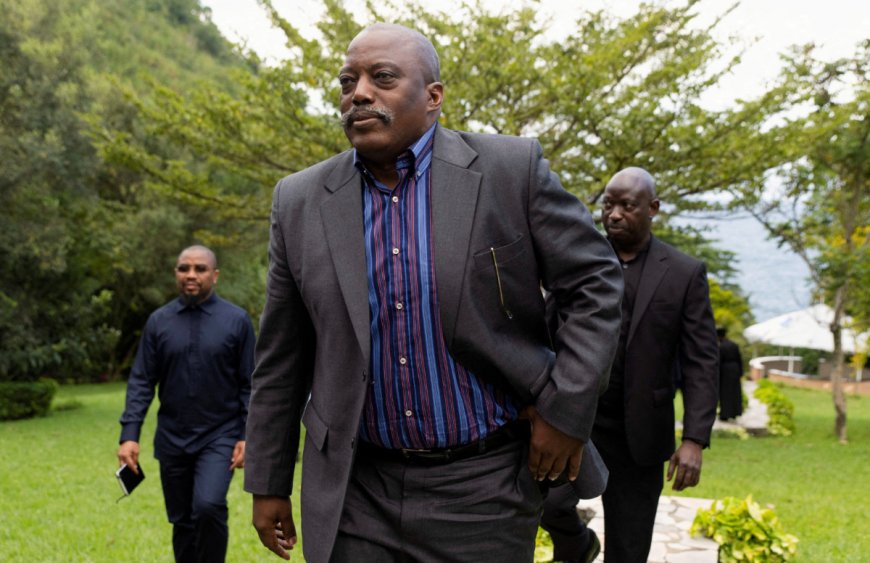
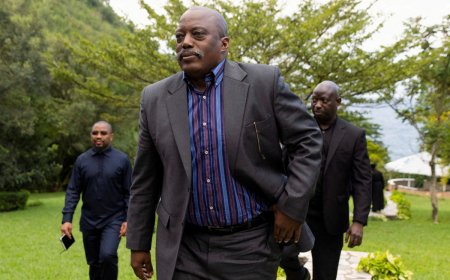
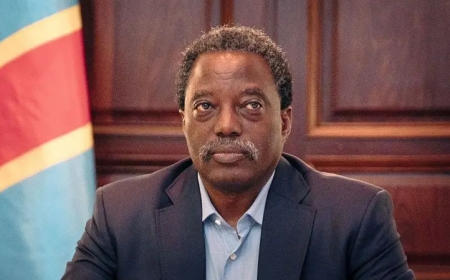
Former Democratic Republic of Congo (DR Congo) president Joseph Kabila has taken the lead of a new political-military movement, the Front for the Refoundation of the Nation (FRN), raising fresh concerns about the future of peace efforts in the conflict-hit east of the country.
The coalition was announced in Goma on October 12, bringing together key figures from the former Alliance Fleuve Congo (AFC) and the March 23 Movement (M23), which have fought government forces and captured large areas of eastern Congo.
The announcement marks a more direct role for Kabila in the insurgency, which Kinshasa has long accused him of supporting.
He has previously denied involvement.
According to Reuters and the Associated Press, the new movement says it aims to unite opposition forces and end what it describes as tyranny, including through the use of force.
Corneille Nangaa, Bertrand Bisimwa and other former rebel leaders have taken senior positions in the new structure.
The development raises questions about whether the FRN represents a change in strategy or a reorganisation of the existing insurgency under a new political leadership.
Kabila had previously stopped short of openly backing the rebellion.
Why launch a new movement?
Onesphore Sematumba, an analyst with the International Crisis Group, told BBC that the formation of the FRN could reflect frustration within the AFC/M23 alliance over its military position and the slow progress of negotiations.
He also pointed to President Félix Tshisekedi’s proposed national dialogue, which has been presented as an opportunity to address the country’s political and security challenges.
However, the government has excluded armed groups from the process, a position that has drawn criticism from opponents who want broader participation.
Kabila’s leadership could therefore be an attempt to increase pressure on Tshisekedi and strengthen the opposition’s position in any future negotiations.
- Implications for peace efforts
The announcement comes as diplomatic initiatives continue to seek an end to fighting in eastern Congo.
In August, Tshisekedi announced a national dialogue intended to address the underlying causes of instability and promote political cohesion.
Meanwhile, negotiations between the government and the AFC/M23 have struggled to end hostilities.
The inclusion of former rebel leaders in the FRN could further complicate those efforts by changing the structure and political representation of the armed opposition.
The Associated Press quoted researcher Yvon Muya as warning that Kabila’s move could increase the risk of military escalation and jeopardise the ongoing peace process.
- Risks for Kabila and Tshisekedi
Kabila’s decision also carries personal and political risks.
In 2025, a Congolese military court sentenced him to death in absentia after convicting him of treason, war crimes and crimes against humanity over alleged links to the rebellion.
Kabila rejected the accusations as politically motivated.
The former president led DR Congo from 2001 to 2019, before Tshisekedi succeeded him.
The Congolese government had not issued an immediate official response to the FRN announcement, according to Reuters and Radio Okapi.
What's Your Reaction?
 Like
0
Like
0
 Dislike
0
Dislike
0
 Love
0
Love
0
 Funny
0
Funny
0
 Angry
0
Angry
0
 Sad
0
Sad
0
 Wow
0
Wow
0