










































Traoré opens Burkina Faso’s first gold refinery

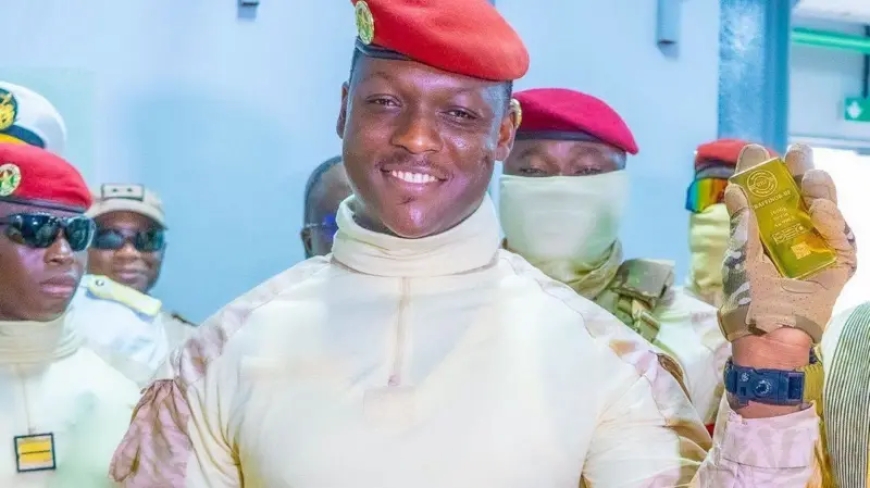
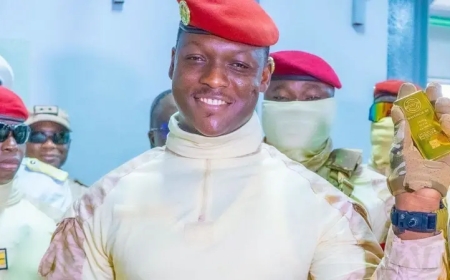
Burkina Faso has inaugurated its first gold refinery as military leader Captain Ibrahim Traoré seeks to increase state control over the country's mineral wealth and keep more value from gold production inside the landlocked West African nation.
Traoré officially opened the RAFFINOR-BF refinery in Ouagadougou on Monday, September 28, describing the facility as a major step towards economic independence and a shift away from a model in which raw minerals are exported for processing elsewhere.
“We no longer want to be a country that simply extracts and sends its raw materials abroad. We want to refine all our metals locally,” Traoré said during the inauguration, according to Burkina Faso's government information service.
The refinery, built on a five-hectare site, has an initial theoretical capacity of 164 tonnes of gold a year.
A second phase is expected to increase capacity to 515 tonnes.
The facility includes a foundry, gold-testing laboratory, secure storage facilities, a jewellery unit and administrative buildings.
The government says the project cost more than 11 billion CFA francs, or about $19 million, and was financed mainly by the state through the National Precious Metals Company, SONASP, alongside private-sector partners.
It is designed to transform doré gold into fine gold bars with a purity of up to 99.99%.
The move comes as gold remains central to Burkina Faso’s economy.
The World Bank estimates that gold production reached 94 tonnes in 2025, up from 61 tonnes in 2024, helped by the formalisation of artisanal and semi-mechanised mining and the resumption of industrial production.
Official extractive-industry data, however, recorded total gold production of about 60.77 tonnes in 2024, illustrating differences between reporting methodologies and estimates across sources.
Industrial production accounted for most of the officially reported output, while artisanal production increased sharply during the year.
The refinery is part of wider reforms by Traoré’s government aimed at increasing national participation in mining.
A new mining code adopted in 2024 raised the state’s free participation in mining companies from 10% to 15% and introduced measures requiring greater involvement by Burkinabè investors.
The government has also moved to tighten control over the trade in precious minerals.
In 2024, authorities suspended the issuing of export permits for artisanal and semi-mechanised gold, saying the measure was intended to improve regulation and marketing of the country's mineral resources.
Gold mining nevertheless faces major challenges.
Burkina Faso’s mining industry has been disrupted by years of insecurity involving armed groups linked to al Qaeda and Islamic State, particularly in rural areas.
The World Bank says persistent security problems remain a major risk to economic growth, while mining continues to be a key contributor to the economy.
Traoré’s government now wants the refinery to become part of a broader domestic processing chain, arguing that refining gold locally can create jobs, improve oversight and capture more of the value generated by the country's natural resources.
The scale of the refinery, however, means its initial 164-tonne capacity is considerably larger than Burkina Faso’s officially reported recent production, making regional sourcing and future production growth important to the government’s ambition for the facility.
What's Your Reaction?
 Like
0
Like
0
 Dislike
0
Dislike
0
 Love
0
Love
0
 Funny
0
Funny
0
 Angry
0
Angry
0
 Sad
0
Sad
0
 Wow
0
Wow
0