













































US troops leave Iraq after 20 years – what happens next?

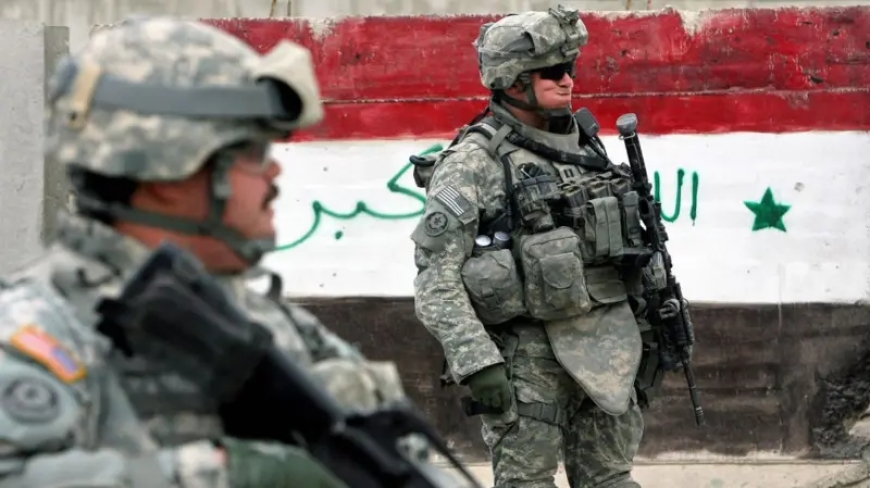
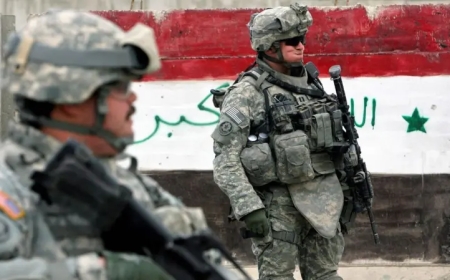
The United States has completed the withdrawal of its remaining forces from Iraq, ending more than two decades of military involvement that began with the 2003 invasion that toppled Saddam Hussein.
The departure of the last US troops on Wednesday marks the end of Operation Inherent Resolve, the US-led military mission launched in 2014 to defeat Islamic State (IS) militants after they seized large parts of Iraq and Syria.
The Pentagon said the coalition had successfully defeated IS as an organised military force in Iraq.
The withdrawal follows a 2024 agreement between Washington and Baghdad to end the coalition’s military mission in Iraq and move towards a bilateral security relationship.
The original timetable envisaged the coalition mission ending by September 2025, followed by a transition to longer-term security cooperation.
The United States once had more than 170,000 troops in Iraq at the height of the post-2003 war.
By recent years, that number had fallen to roughly 2,500, with American forces increasingly focused on advising, training and supporting Iraqi and Kurdish security forces.
US forces had previously withdrawn from Iraq in 2011, but returned three years later at Baghdad’s request following the rapid rise of IS.
The group was territorially defeated in Iraq, but its remnants remain capable of carrying out attacks.
The central question now is whether Iraqi forces can maintain security without the direct military support of the United States.
Iraqi security forces and Kurdish Peshmerga units have significantly expanded their capabilities since the height of the fight against IS.
The US-led coalition says Iraqi forces have increasingly demonstrated the ability to conduct counterterrorism operations independently.
Analysts have warned that the withdrawal could create opportunities for Iran-backed armed groups and potentially allow IS sleeper cells to rebuild.
Reuters reported that some Iraqi and Kurdish officials remain concerned about the loss of US intelligence, air-defence and military capabilities.
The departure also changes the balance of influence inside Iraq.
Iran has strong political and security ties with several powerful Shi’ite armed groups, some of which have opposed the US military presence.
With American troops gone, Tehran and its allies could have greater room to expand their influence.
At the same time, the US is not severing its relationship with Iraq.
Washington is expected to maintain diplomatic, economic and security ties, while cooperation can continue through training, intelligence-sharing and arms agreements.
The legacy of the American intervention remains deeply contested.
Supporters point to the removal of Saddam Hussein and the development of a more representative political system, while critics argue that the invasion contributed to years of violence, sectarian conflict and instability, while increasing Iran's influence.
For Iraq, the next phase will depend on its ability to contain armed groups, prevent an Islamic State resurgence and balance regional powers, while the US withdrawal ends a major military chapter but not Washington’s broader ties with Iraq.
What's Your Reaction?
 Like
0
Like
0
 Dislike
0
Dislike
0
 Love
0
Love
0
 Funny
0
Funny
0
 Angry
0
Angry
0
 Sad
0
Sad
0
 Wow
0
Wow
0