


























































Trump declares US-Iran war ‘effectively over’

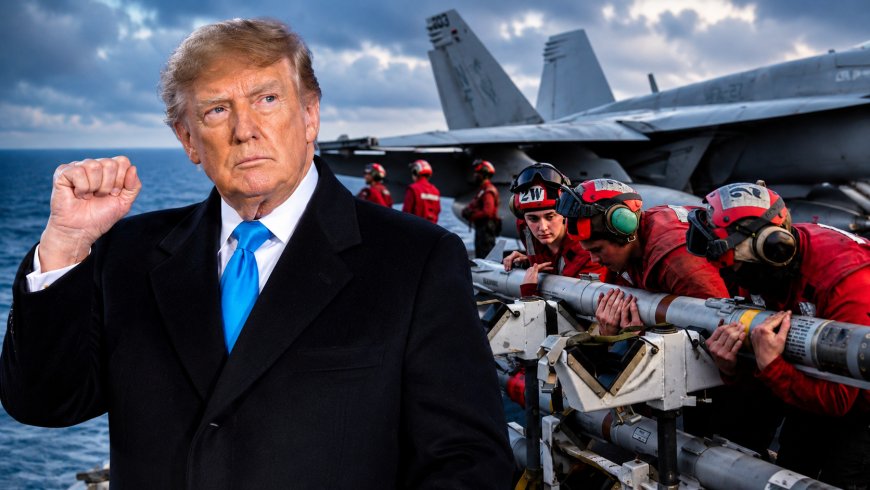
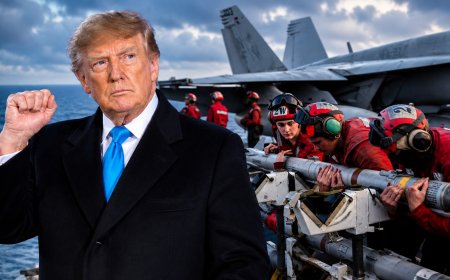
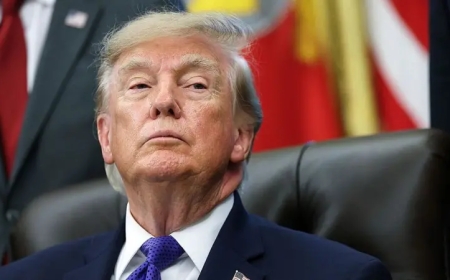
US President Donald Trump has said the military conflict involving Iran is “Effectively over”, suggesting that Washington is unlikely to launch another major wave of attacks as diplomatic efforts to end the war gain momentum.
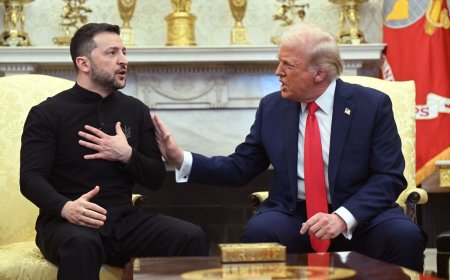
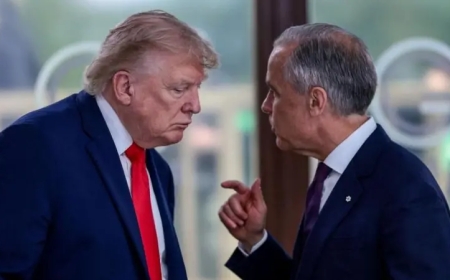
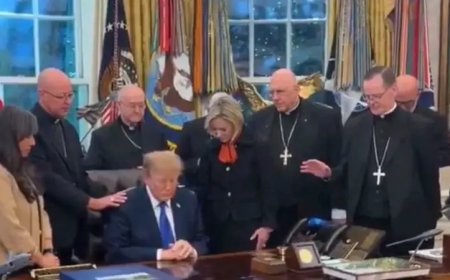
Speaking to reporters at the White House on Monday, November 9, Trump said the United States was maintaining the current situation at the request of countries neighbouring Iran, while indicating that negotiations with Tehran were progressing positively.
“Iran, militarily, is effectively over. We’re just keeping it the status quo,” Trump said, adding that renewed military action did not appear necessary at the moment.
However, he stopped short of formally declaring an end to the conflict, warning that American forces remained prepared to respond if circumstances changed.
“The military action doesn’t seem to be a very necessary thing, but we’re locked and loaded, ready to go for any reason that changes,” he added.
According to the Associated Press and The Washington Post, Trump’s remarks came after he held discussions with Qatar’s Prime Minister, Sheikh Mohammed bin Abdulrahman Al Thani, at the White House.
Qatar has played an important mediating role in efforts to bring Washington and Tehran towards an agreement.
Following the meeting, Al Thani said discussions with Trump and US Vice President JD Vance had focused on advancing negotiations and restoring peace in the region.
Trump also indicated that a lasting agreement must prevent Iran from developing nuclear weapons, describing the country’s military capabilities as severely weakened following months of American and Israeli attacks.
Despite the president’s assessment, military tensions have not completely disappeared.
The United States continues to maintain a naval blockade on Iranian ports, while its military has carried out limited operations in recent days.
The Associated Press reported that American forces had also disabled a commercial vessel accused of attempting to breach the blockade.
Trump has further warned that Washington has identified infrastructure targets, including 38 bridges, that could be attacked if hostilities resume.
The Guardian reported that Gulf countries have been urging Washington against escalating the conflict, fearing further Iranian retaliation and regional instability.
Countries including Saudi Arabia, Qatar and the United Arab Emirates have previously faced Iranian attacks during the war, while disruptions to regional air travel and shipping have highlighted the wider economic consequences.
The conflict has also become a major political challenge for Trump at home.
According to The Washington Post, rising fuel prices and public dissatisfaction with the eight-month war contributed to significant Republican losses in the November 3 midterm elections, with Democrats securing control of both chambers of Congress.
Political pressure has also intensified following Republican Congressman Thomas Massie’s move to initiate impeachment proceedings against Defence Secretary Pete Hegseth over his handling of the war and alleged violations of congressional war powers.
Trump has defended Hegseth, dismissing the initiative as politically motivated.
Meanwhile, Iran’s position remains a major obstacle to a comprehensive settlement. Tehran has demanded an end to the blockade, sanctions relief and compensation for war damage, among other conditions.
What's Your Reaction?
 Like
0
 Dislike
0
 Love
0
 Funny
0
 Angry
0
 Sad
0
 Wow
0