






































































Trump, Xi and Putin pledge Nuclear talks and Global Energy stability

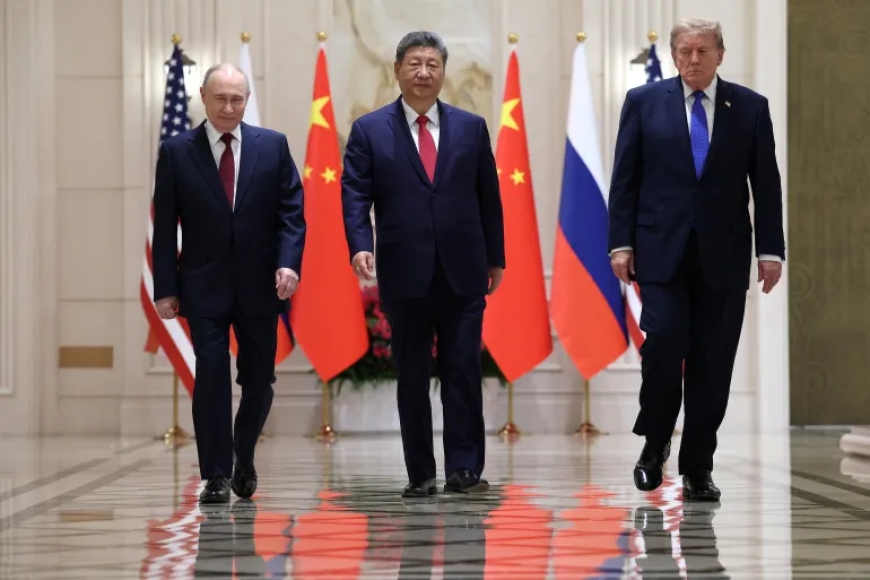
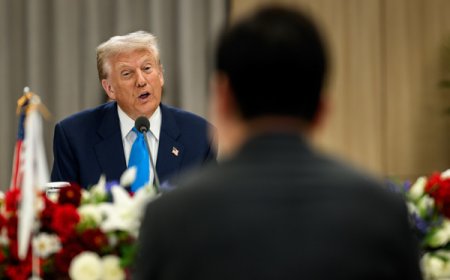
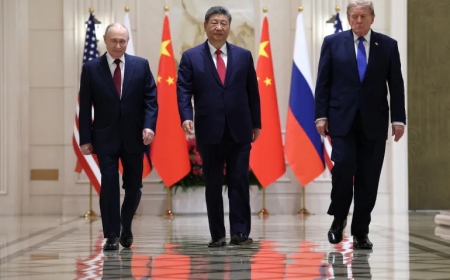
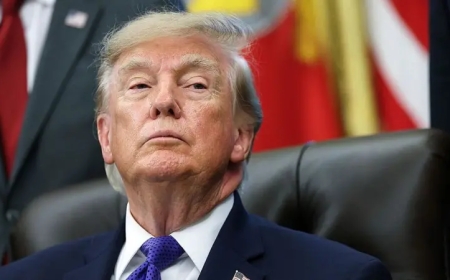
United States President Donald Trump, Chinese President Xi Jinping and Russian President Vladimir Putin have pledged to strengthen global energy security, pursue dialogue on nuclear weapons and cooperate on international stability following an unprecedented trilateral summit in Shenzhen, China.
The three leaders met on Thursday, November 19, on the sidelines of the Asia-Pacific Economic Cooperation (APEC) summit, bringing together the heads of the world's three major nuclear powers for their first formal trilateral meeting.
Their joint declaration called for stable energy supplies, increased production and distribution of refined petroleum products, nuclear risk reduction and efforts to prevent the spread of nuclear weapons.
The declaration also supported reform of the United Nations, highlighting the leaders’ ambition to strengthen cooperation in shaping international security and global governance.
Opening the meeting, Xi described the gathering as historically significant, arguing that cooperation among major powers was essential for maintaining international peace.
He called on the three countries to abandon Cold War thinking, respect one another's sovereignty and establish mechanisms for regular communication to prevent disagreements from escalating into wider confrontations.
Trump, meanwhile, said the three nations were uniquely positioned to address nuclear threats, stressing that opportunities for dialogue should not be rejected when global peace was at stake.
Putin also expressed support for closer cooperation, saying the three countries shared responsibility for maintaining international security.
However, the summit comes amid growing geopolitical tensions, particularly over Russia’s war against Ukraine, which began with Moscow’s full-scale invasion in February 2022.
Although Trump said he wanted China and Russia to help end the conflict, Ukrainian President Volodymyr Zelenskyy has warned against any negotiations concerning his country’s future without Kyiv’s participation.
European leaders have also expressed concern about being sidelined in discussions that could determine Ukraine’s future security and territorial integrity.
Separate meetings involving Zelenskyy and European allies took place in Berlin on Thursday.
The nuclear discussions are equally significant following the expiration of the New Strategic Arms Reduction Treaty (New START) between Washington and Moscow in February 2026.
The agreement had imposed limits on the two countries’ deployed strategic nuclear arsenals, raising concerns about the future of international arms control.
China, which possesses a smaller nuclear arsenal than the United States and Russia, has historically resisted joining a similar agreement, arguing that the two larger powers should first reduce their stockpiles.
Energy security was another major issue, particularly amid instability surrounding Iran and the Strait of Hormuz, a strategic maritime passage through which approximately 20 million barrels of oil and petroleum products travelled daily in 2025.
The waterway accounts for around a quarter of global seaborne oil trade, making its stability critical to international markets and economies.
Despite the positive language of the declaration, analysts have cautioned against expecting immediate breakthroughs, pointing to disagreements over Ukraine, Taiwan, nuclear weapons and international trade.
Photos


What's Your Reaction?
 Like
0
 Dislike
0
 Love
0
 Funny
0
 Angry
0
 Sad
0
 Wow
0