




























































Musk admits $446 million election spending was a costly mistake
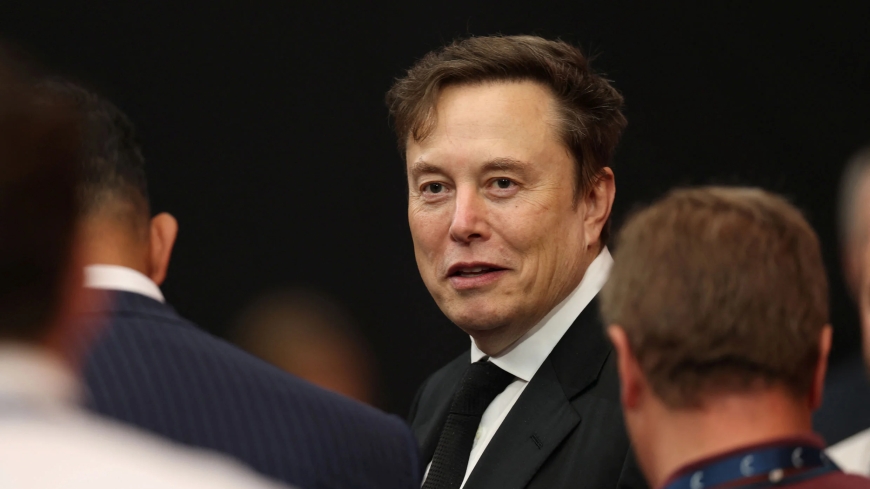
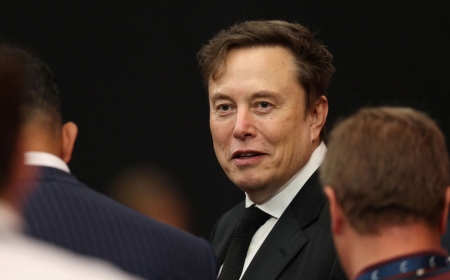
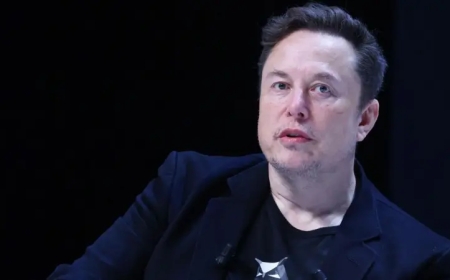
Elon Musk has admitted that he felt “Pretty foolish” after spending nearly half a billion dollars backing Republican candidates in the 2026 US midterm elections, which ended in sweeping defeats for President Donald Trump’s party.
Speaking by video link to The New York Times’ DealBook Summit on November 18, the Tesla and SpaceX chief executive said he had spent heavily but seen little return.
He added that he would spend less if given another chance.
“I feel pretty foolish,” Musk said, arguing that the results showed American elections are not decided by money alone.
He also suggested Republicans might have performed even worse without his financial support.
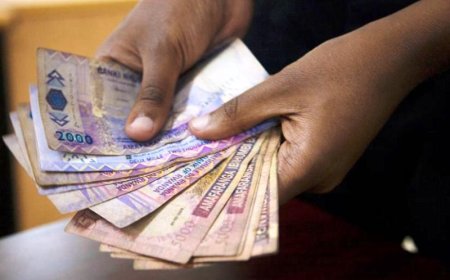
Campaign finance reporting puts Musk’s contributions to Republican candidates, political action committees and allied groups at about $445 million to $446 million.
The spending produced limited success: only three of 37 House Republican candidates he backed had won, while six of the seven Senate candidates he supported lost.
The setback was particularly significant in Texas, where Musk has based several businesses, including Tesla and SpaceX.
Democrat James Talarico defeated Republican Ken Paxton in the Senate race, while Democrat Gina Hinojosa defeated incumbent Greg Abbott to become governor.
Musk had directed substantial funding towards Republican campaigns in the state, including efforts to elect Paxton and retain Abbott.
The wider election delivered control of both chambers of Congress to Democrats, ending Republican control of the House and Senate.
The result represents a major political blow to Trump, whose economic policies and handling of the cost of living were among the issues voters considered.
Musk also sought to distance himself from the “Make America Great Again” movement, commonly known as MAGA, saying he was not part of it and did not offer blind allegiance to Republican policies.
His comments come after he became one of Trump’s most prominent financial allies during the 2024 presidential campaign.
Musk gave about $259 million to groups backing Trump and other Republicans in 2024.
Trump won, and Musk became a close adviser. The contrast shows that political spending can produce different outcomes.
Other billionaires have also found that wealth does not guarantee electoral success.
Former New York mayor Michael Bloomberg spent more than $1 billion on his 2020 Democratic presidential campaign, but withdrew after a poor primary showing.
His experience illustrates the limits of campaign spending.
The 2026 results have renewed debate over the influence of wealthy donors in American democracy.
What's Your Reaction?
 Like
0
 Dislike
0
 Love
0
 Funny
0
 Angry
0
 Sad
0
 Wow
0