


































































Israel: High-stakes election puts Netanyahu under pressure

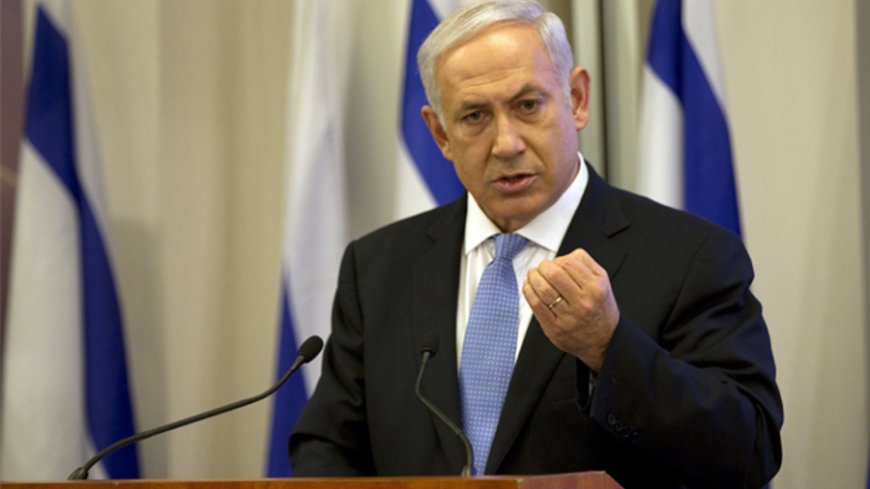
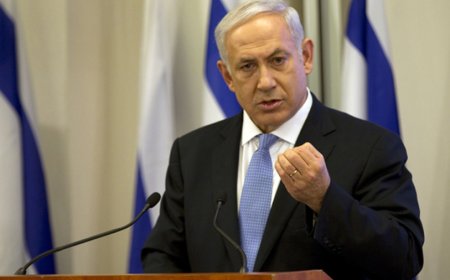
Israelis went to the polls on Tuesday, October 27, 2026, in a closely contested general election that could determine Prime Minister Benjamin Netanyahu’s political future and reshape the country’s leadership, with security, democratic accountability and coalition-building dominating the campaign in the aftermath of the Hamas-led attacks of October 7, 2023.
Prime Minister Benjamin Netanyahu, 77, faces a strong challenge from former military chief Gadi Eisenkot, 66, whose centrist Yashar party has emerged as a major contender in the race.
The election is widely viewed as a referendum on Netanyahu’s leadership, particularly his government’s handling of the October 7 attacks, which killed about 1,200 people in Israel and saw 251 others taken hostage into Gaza.
The vote is the country’s first general election since the attacks.
Security has been a central issue throughout the campaign.
Opposition figures have criticised Netanyahu over the security failures that preceded the attacks and have called for an independent commission of inquiry to investigate what went wrong.
Netanyahu has resisted calls for such an investigation, arguing that the proposed process could be politically motivated.
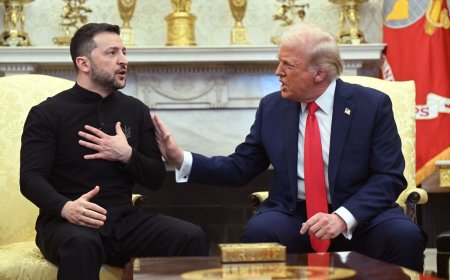
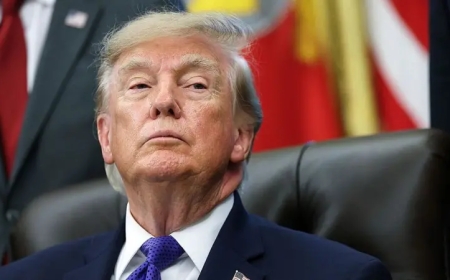
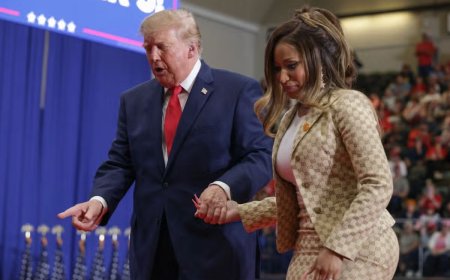
He has instead sought to emphasise his government’s security record, pointing to Israel’s military operations across the Middle East and his close relationship with US President Donald Trump.
Despite the prime minister’s efforts to present himself as the candidate best equipped to protect Israel, opinion polls suggest a competitive contest, with neither major political camp assured of securing a parliamentary majority.
According to reporting by Australia’s ABC News, an estimated 67,000 Israelis living abroad were expected to return home to vote, following mobilisation efforts by activists seeking to increase participation among overseas citizens.
Hundreds of thousands of eligible voters are also voting for the first time, adding to the significance of the election.
However, the outcome may not immediately establish who will lead the next government.
Israel uses a proportional representation system in which voters elect political parties to the 120-seat Knesset, rather than directly electing the prime minister.
A party or coalition needs at least 61 seats to command a parliamentary majority.
Pre-election polling compiled by several Israeli outlets indicates that neither Netanyahu’s governing bloc nor the main opposition camp has a clear path to that threshold.
Smaller parties, therefore, could play a decisive role in determining the next government.
The Associated Press reported that coalition negotiations could take weeks, with President Isaac Herzog expected to consult political leaders and designate the candidate most likely to assemble a majority.
If no candidate succeeds, Israel could face another election, prolonging political uncertainty.
What's Your Reaction?
 Like
0
 Dislike
0
 Love
0
 Funny
0
 Angry
0
 Sad
0
 Wow
0