














































































Inside Dangote’s $16bn oil refinery project in Kenya

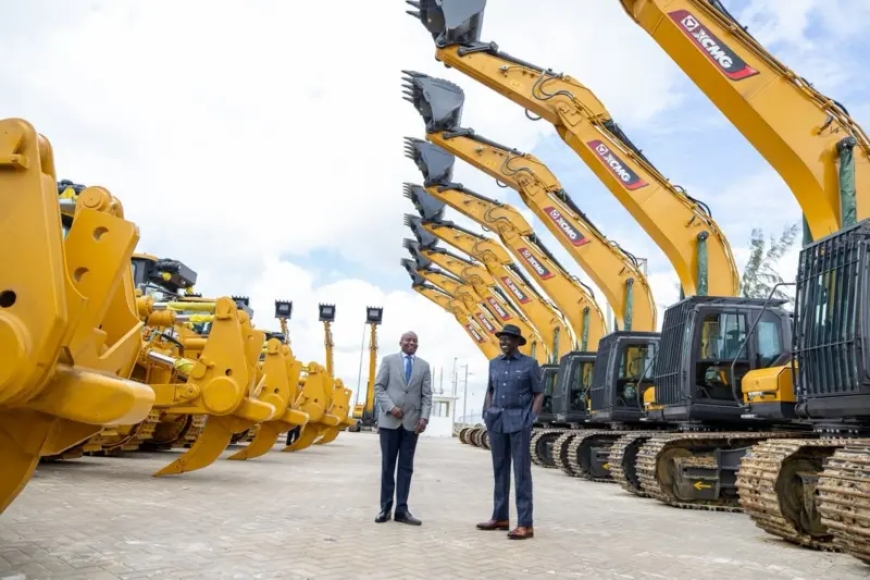
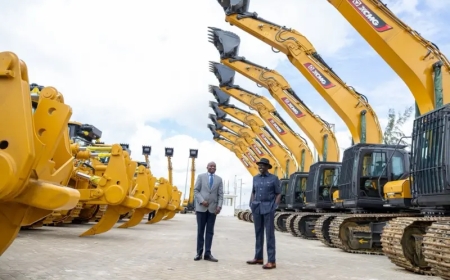
Nigerian billionaire Aliko Dangote and Kenyan President William Ruto have broken ground on a $16 billion oil refinery in Lamu, marking the start of one of East Africa’s biggest industrial projects.
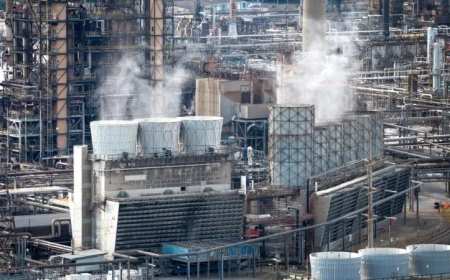
The Dangote East Africa Refinery, being developed near the Lamu Port, is expected to process 700,000 barrels of crude oil per day when fully operational.
The project is scheduled for completion in 2030 and is designed to supply petroleum products to Kenya and other markets across East Africa.
Here are five key things to know about the project.
1. It is a major industrial investment
The $16 billion refinery is expected to become one of the largest industrial investments in Kenya’s history and the biggest refinery project in East Africa by processing capacity.
The project forms part of a wider industrial development strategy around Lamu and the LAPSSET corridor, with the Kenyan government saying it could stimulate investment, develop local skills and create new economic opportunities.
2. Kenya aims to become a regional fuel hub
With a planned capacity of 700,000 barrels per day, the refinery is expected to supply diesel, petrol and jet fuel to Kenya and neighbouring countries.
Dangote has argued that Kenya does not need to be a major crude-oil producer to benefit from refining.
The facility can import crude from producers in the region and elsewhere, process it in Kenya and distribute finished products to regional markets.
Reuters reported that the refinery is intended to reduce East Africa’s dependence on imported refined petroleum products and could serve markets stretching from Ethiopia to Mozambique.
3. Thousands of jobs are expected
Dangote has said the project could create about 60,000 jobs, particularly during construction. Engineers, technicians, drivers, construction workers and other specialists are expected to be involved.
The economic impact could extend beyond direct employment, with construction expected to increase demand for transport, accommodation, food, financial services and locally supplied materials.
Business Daily reported that engineering and technology companies have already secured contracts worth more than $750 million, including work for Engineers India Limited and Honeywell Technologies.
4. The project includes a 1,000MW power plant
The refinery is planned as part of a wider industrial complex that will include a 1,000-megawatt power plant, as well as fertiliser and chemical manufacturing facilities.
Kenya’s government says the integrated development could strengthen the country’s industrial base and support further investment along the LAPSSET corridor.
5. Land and environmental disputes remain a major challenge
The project has also faced opposition from some Lamu residents over land ownership, compensation and resettlement.
More than 100 residents have taken legal action, arguing that ancestral land earmarked for the project was acquired without adequate compensation or resettlement arrangements.
A Malindi Environment and Land Court ordered the status quo to be maintained on a disputed parcel until a further hearing on October 14.
Dangote has rejected suggestions that the disputes will stop the project, while insisting construction will proceed and the refinery will be completed by 2030.
The refinery therefore represents both a major industrial opportunity for Kenya and a test of how large-scale investment can balance economic ambitions with land rights and environmental concerns.
What's Your Reaction?
 Like
0
Like
0
 Dislike
0
Dislike
0
 Love
0
Love
0
 Funny
0
Funny
0
 Angry
0
Angry
0
 Sad
0
Sad
0
 Wow
0
Wow
0