




























































Europe vows direct talks with Russia to end Ukraine War

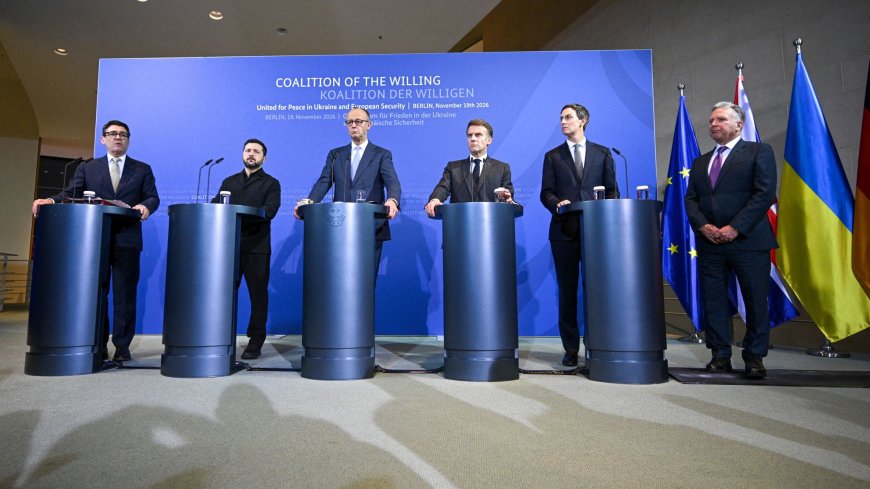
European leaders have expressed their readiness to engage directly with Russia in efforts to end the war in Ukraine, while reaffirming their commitment to supporting Kyiv as diplomatic efforts intensify to find a lasting solution to the nearly five-year conflict.
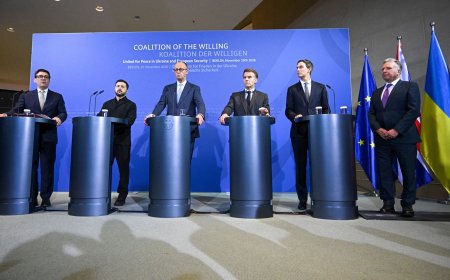
The position emerged during a meeting of the Coalition of the Willing in Berlin, Germany, on Thursday, November 19, bringing together leaders and representatives from countries committed to supporting Ukraine.
German Chancellor Friedrich Merz, British Prime Minister Andy Burnham and French President Emmanuel Macron joined Ukrainian President Volodymyr Zelenskyy for discussions focused on peace negotiations, European security and continued military and financial assistance to Kyiv.
Speaking after the meeting, Merz said Europe was prepared to hold discussions with Moscow and expected negotiations involving European representatives to take place soon.
He suggested that a neutral location, potentially the United Arab Emirates, could host the discussions.
Burnham insisted that European countries remained firmly behind Ukraine, stressing that their support would not weaken despite efforts to negotiate an end to the fighting.
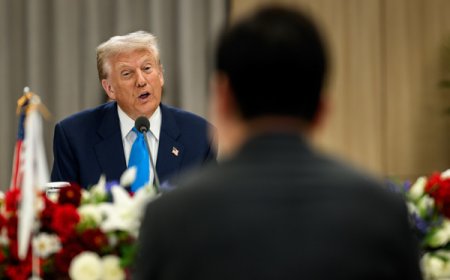
The meeting also involved US President Donald Trump’s special envoys, Jared Kushner and Steve Witkoff.
Trump, who was returning from China aboard Air Force One, reportedly joined the Berlin discussions by telephone.
Kushner said the American president wanted to reach an agreement with Russia with Europe involved, rather than impose a settlement without consulting Washington’s European allies.
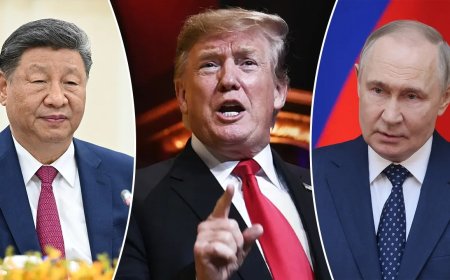
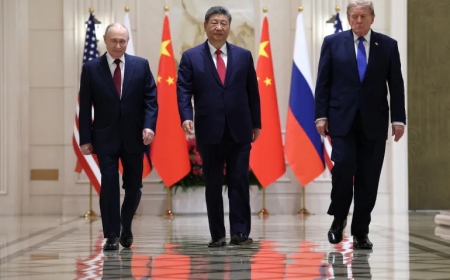
The diplomatic developments followed an unprecedented trilateral meeting between Trump, Russian President Vladimir Putin and Chinese President Xi Jinping in Shenzhen, China, on November 19, on the sidelines of the Asia-Pacific Economic Cooperation (APEC) summit.
Following the meeting, Putin said Moscow had invited European representatives to Russia through diplomatic channels to clarify their position on negotiations.
He maintained that Russia was not opposed to European participation but wanted to understand what European countries intended to contribute before deciding how discussions with Ukraine would proceed.
However, significant disagreements remain over the conditions for ending the war, particularly territorial demands and Ukraine's future security arrangements.
Putin has continued to oppose military cooperation between Ukraine and European countries, while Kyiv has insisted that any peace agreement must protect its sovereignty and provide credible security guarantees against future Russian aggression.
The latest diplomatic initiative comes after previous negotiations involving Russian, Ukrainian and American officials in Abu Dhabi, which resulted in an agreement on a major prisoner exchange but failed to produce a breakthrough on the wider conflict.
Meanwhile, the Berlin summit produced renewed commitments to strengthen Ukraine’s air defence systems and maintain military assistance.
The participating leaders also called on Russia to halt attacks against energy infrastructure during the coming winter as a possible confidence-building measure.
Despite renewed diplomatic engagement, there is no confirmed date for the next round of negotiations, and major differences between Moscow and Kyiv continue to complicate efforts to secure a lasting peace.
The conflict began with Russia’s full-scale invasion of Ukraine in February 2022, triggering widespread destruction, civilian displacement and the most serious security crisis in Europe in decades.
What's Your Reaction?
 Like
0
 Dislike
0
 Love
0
 Funny
0
 Angry
0
 Sad
0
 Wow
0