




















































Uganda to withdraw troops from DR Congo amid diplomatic tensions

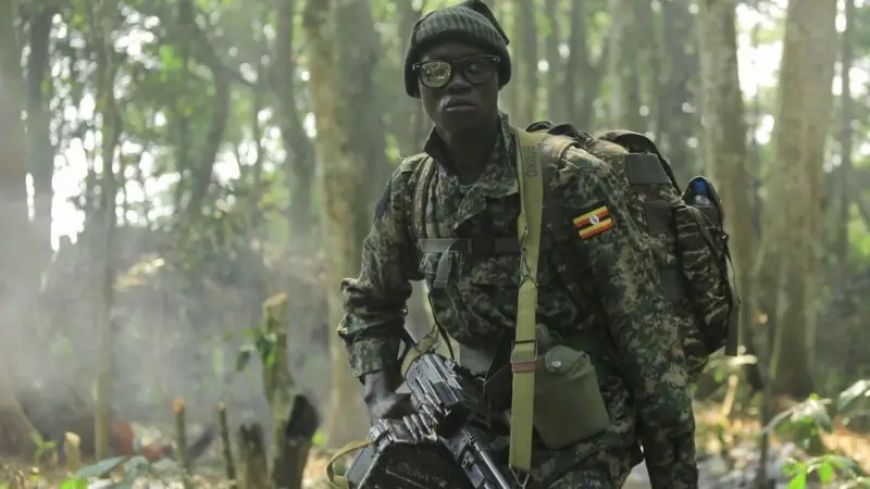
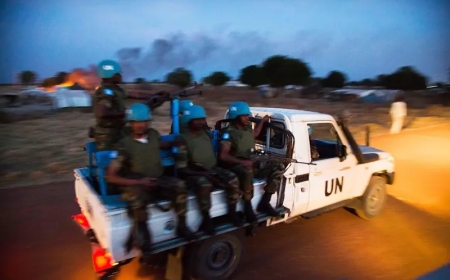
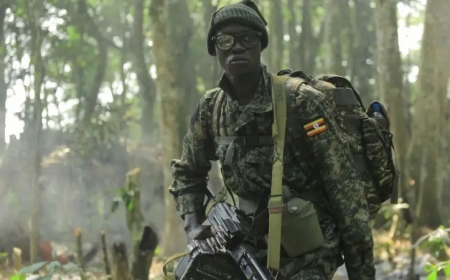
The Uganda People’s Defence Forces (UPDF) will begin withdrawing troops from Lubero town in eastern Democratic Republic of Congo (DR Congo) within the next two weeks, handing over security responsibilities to the Congolese army amid growing diplomatic tensions between the neighbouring countries.
In a statement issued on Friday, November 27, UPDF Acting Director of Defence Public Information Colonel Chris Magezi confirmed that Ugandan forces would leave Lubero, located in North Kivu Province, with the Armed Forces of the Democratic Republic of Congo (FARDC) expected to take over security operations.
Magezi said Ugandan troops had been deployed in the area since January 2025 to pursue remnants of the Allied Democratic Forces (ADF), who had moved into the region to escape pressure from joint military operations in North Kivu and neighbouring Ituri Province.
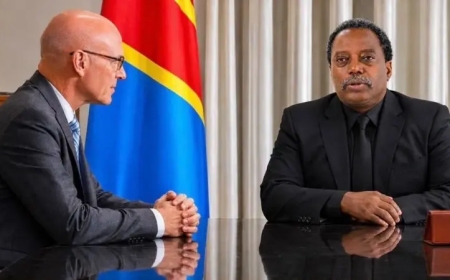
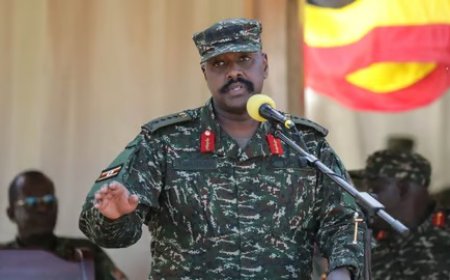
The withdrawal announcement comes just days after the Congolese government summoned Uganda’s diplomatic representative in Kinshasa, demanding an explanation over controversial social media statements made by Uganda’s Chief of Defence Forces, General Muhoozi Kainerugaba, son of President Yoweri Museveni.
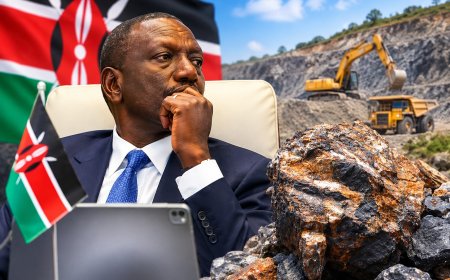
Kainerugaba had expressed support for rebel advances in Walikale, a mineral-rich territory in eastern DR Congo, and threatened that Ugandan forces could take control of the territory themselves if the rebels failed to capture it.
Kinshasa described his remarks as particularly serious and called on Kampala to clarify its position and take measures to prevent similar incidents.
However, the UPDF has not indicated whether its planned withdrawal from Lubero is connected to the diplomatic dispute.
Its statement also did not provide details about the number of soldiers involved or specify when the handover would be completed.
Uganda’s military deployment in eastern DR Congo forms part of Operation Shujaa, a joint offensive launched by the two countries in November 2021 to dismantle ADF bases and weaken the group’s ability to threaten regional security.
The operation followed a series of bomb attacks in Uganda’s capital, Kampala, attributed to the ADF.
The group, which originated in Uganda during the 1990s, has since established a strong presence in eastern DR Congo and maintains links with the Islamic State group.
Despite years of joint military operations, the ADF continues to pose a significant security threat.
According to conflict-monitoring organisation ACLED, the group remains the deadliest armed group in DR Congo, killing an average of four civilians daily.
ACLED analyst John Ngono said the group’s activities had expanded into previously unaffected parts of eastern DR Congo.
The organisation also reported that the ADF had not carried out an attack in Uganda since June 2025.
Meanwhile, renewed fighting between Congolese forces and armed groups in Lubero territory has raised further concerns about civilian security as Ugandan troops prepare to leave.
The planned withdrawal applies specifically to Lubero and does not signal the end of Operation Shujaa, which Uganda says will continue elsewhere in eastern DR Congo.
Eastern DR Congo has experienced decades of conflict involving numerous armed groups, with millions of people displaced and repeated efforts to restore lasting peace yet to resolve the region's security crisis.
What's Your Reaction?
 Like
0
 Dislike
0
 Love
0
 Funny
0
 Angry
0
 Sad
0
 Wow
0