



















































































Kigeme Refugees, host communities to benefit from Rwf1.8 Bn vocational school

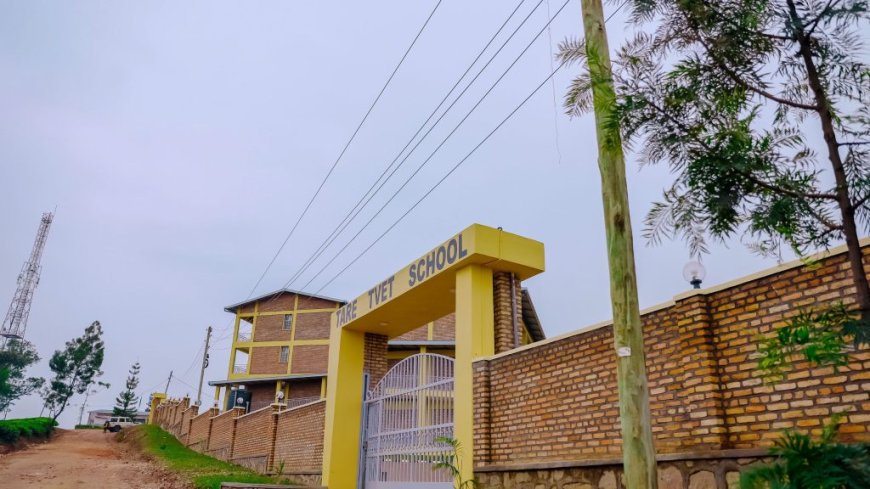
More than Rwf1.8 billion has been invested in a new vocational training school in Nyamagabe District, aimed at equipping refugees from Kigeme Camp and surrounding residents with practical skills for employment and entrepreneurship.
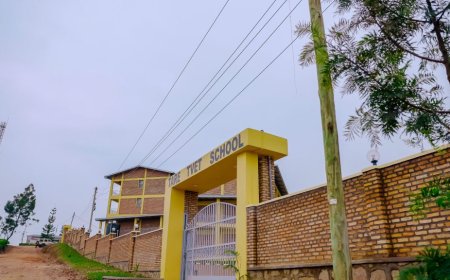
The Tare Technical and Vocational Education and Training (TVET) School, located in Gasarenda Cell, Tare Sector, was completed in October 2026 after an investment of Rwf1,839,703,087.
Its occupie 25,000 square metres and is expected to accommodate more than 600 students, including over 120 refugees and at least 450 members of the host community.
At least 60 per cent of the students are expected to be girls and women, reflecting efforts to increase female participation in technical education and promote gender equality.
The school will offer three specialised programmes: Wood Technology, Manufacturing Technology and Electrical Technology.
These courses are intended to equip young people with practical skills that can help them secure employment, establish businesses and contribute to local economic development.
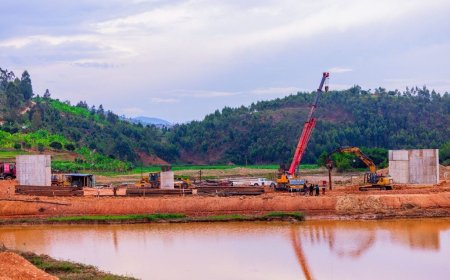
Facilities at the institution include 12 classrooms, an administrative block, practical training workshops, a kitchen, a dining area, sanitation facilities, a sports ground and a perimeter fence.
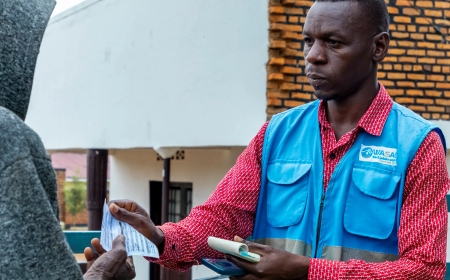
The construction was financed by the World Bank through the Socio-Economic Inclusion of Refugees and Host Communities (SEIRHC) project, commonly known as Jya Mbere.
The initiative is implemented by MINEMA in partnership with Nyamagabe District.
The World Bank says the wider Jya Mbere programme was designed to improve access to essential services and economic opportunities for refugees and the communities hosting them.
Its interventions have included education, healthcare, water infrastructure, vocational training and support for businesses.
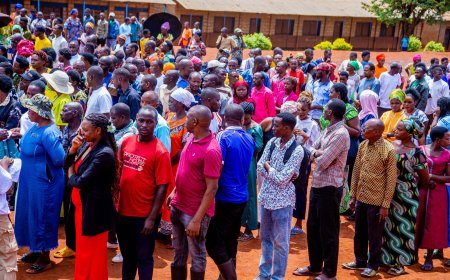
Local residents have welcomed the new institution, saying it will reduce the difficulties families face in accessing vocational education outside their communities.
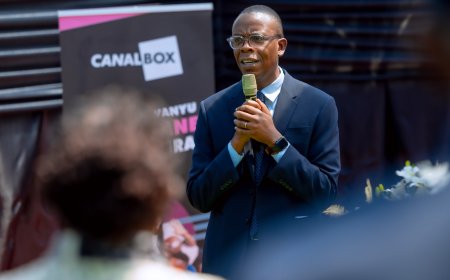
Mbwiruwumva Anasthase, a resident living near the school, said the facility would provide younger generations with opportunities that previous generations had struggled to access.
“We had been requesting this school for a long time. It has come at the right time and will help us leave behind young people equipped with skills that can enable them to improve their lives,” he said.
Ingabire Brigitte, another resident of Gasarenda, said the institution would ease the financial burden on parents who previously had to send their children far away to pursue vocational studies.
Nyamagabe District’s acting mayor, Samvura Valens, said the school would also address the area’s need for skilled workers, particularly in wood processing and related industries, given the district's extensive forest resources.
He said authorities hoped to expand the institution in the coming years by introducing boarding facilities.
The school is expected to begin admitting students in September 2027, subject to accreditation by the National Examination and School Inspection Authority (NESA).
Short-term vocational training could be organised before then, depending on regulatory approval and operational readiness.
Beyond education, the project is expected to strengthen relations between refugees and host communities by bringing young people together through shared learning and practical training.
Residents of neighbouring sectors, including Kitabi, Kamegeri, Gasaka, Uwinkingi and Kibilizi, are also expected to benefit from the institution.
Photos


What's Your Reaction?
 Like
0
 Dislike
0
 Love
0
 Funny
0
 Angry
0
 Sad
0
 Wow
0