











































































Gabon lifts eight-month ban on social media platforms
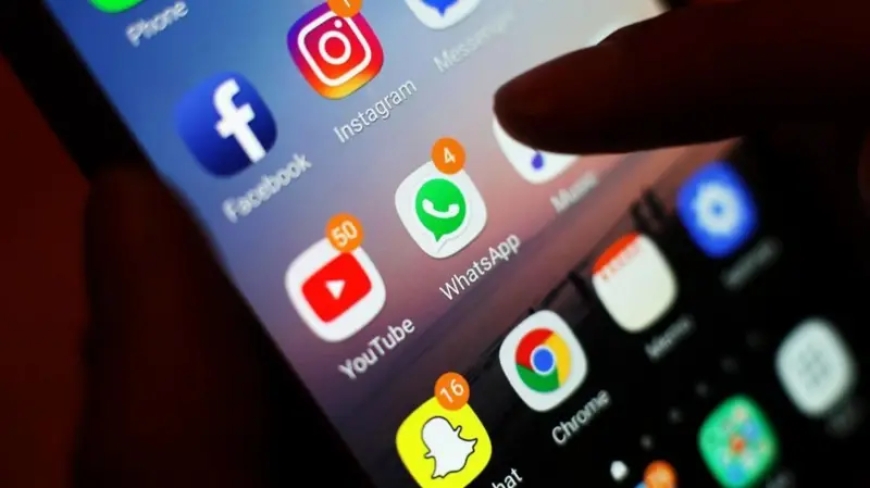
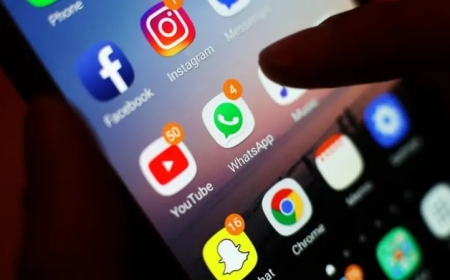
Gabon has lifted its eight-month suspension of social media platforms, restoring access to services including Facebook, TikTok, YouTube and Instagram following widespread criticism of the restrictions.
High Communication Authority (HAC), the country’s media regulator, announced the decision on Saturday, October 24, ending a suspension imposed on February 17, 2026.
The move was reported by the Agence Gabonaise de Presse (AGP) and international news outlets.
Regulator, initially justified the shutdown by citing the spread of defamatory content, cyberbullying, hate speech and messages it said threatened national unity, state institutions and national security.
Authorities also raised concerns about young people's exposure to violent and sexually explicit material online.
The suspension was announced without a clear explanation of the specific posts that had triggered the decision.
In its latest statement, the HAC said the lifting of the restrictions was supported by new legislation intended to regulate digital platforms and by improved cooperation with technology companies.
The regulator said it had established operational communication protocols with Meta, TikTok and YouTube, allowing it to access reporting tools to address illegal content more efficiently.
The authorities had adopted three ordinances on February 26 to strengthen the legal framework governing social media, communication and the regulator itself.
Gabonese publication Gabonreview also reported that legislation ratifying the social media rules was promulgated on October 5.
Despite the restrictions, some users continued accessing blocked platforms through virtual private networks (VPNs).
Africanews, citing AFP, reported that Proton, a VPN provider, recorded a 60,000 per cent increase in downloads of its VPN tool on the day after the ban took effect.
The suspension had also raised concerns about its economic and social consequences.
When the restrictions were introduced, civil society representative Nicaise Moulombi told Reuters that social networks had become essential tools for commerce, employment, innovation and public expression, warning that the shutdown would disrupt a significant part of the country's economic and social activity.
The ban was imposed during a period of growing social tensions under President Brice Oligui Nguema, who came to power following a 2023 military coup that ended more than five decades of rule by the Bongo family.
Teachers and civil servants had also protested over salaries and working conditions.
Opposition figures condemned the restrictions as an abuse of power, while critics raised concerns about freedom of expression and the government's handling of dissent.
The HAC has called on users to behave responsibly online and respect the rights of others.
What's Your Reaction?
 Like
0
 Dislike
0
 Love
0
 Funny
0
 Angry
0
 Sad
0
 Wow
0