

MPs question RGB over persistent governance failures in Rwandan football

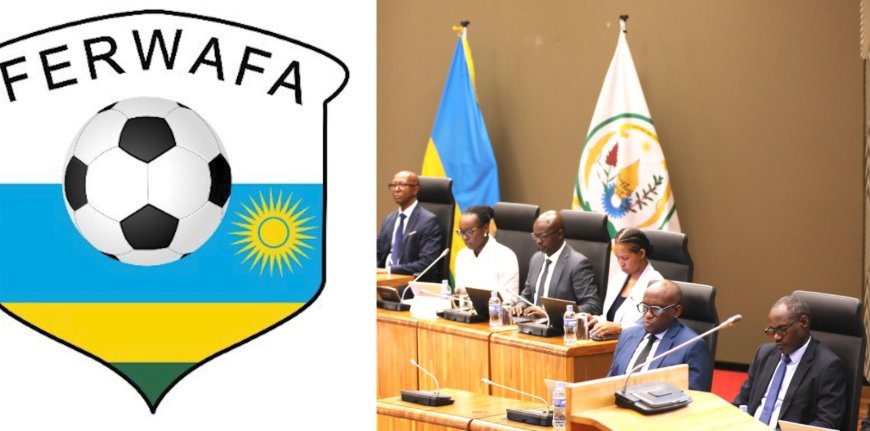
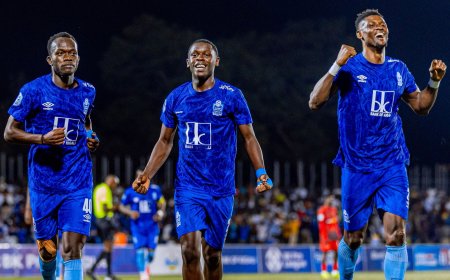
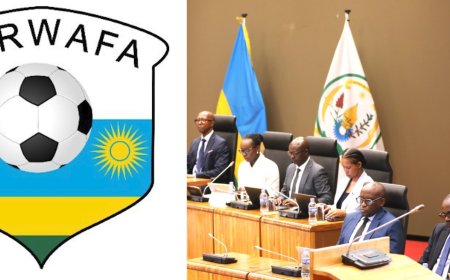
The Rwanda Governance Board (RGB) has called on the Rwanda Football Federation (FERWAFA) to strengthen its governance structures and establish effective mechanisms for resolving internal disputes, following concerns raised in Parliament over persistent conflicts in Rwandan football and divisions among sports journalists.
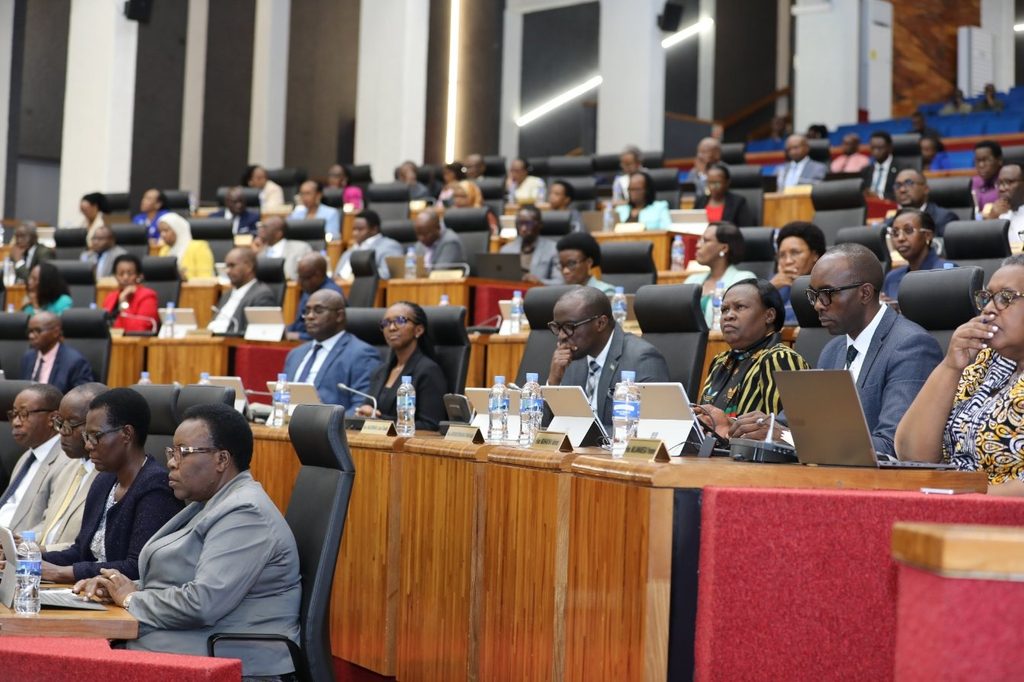
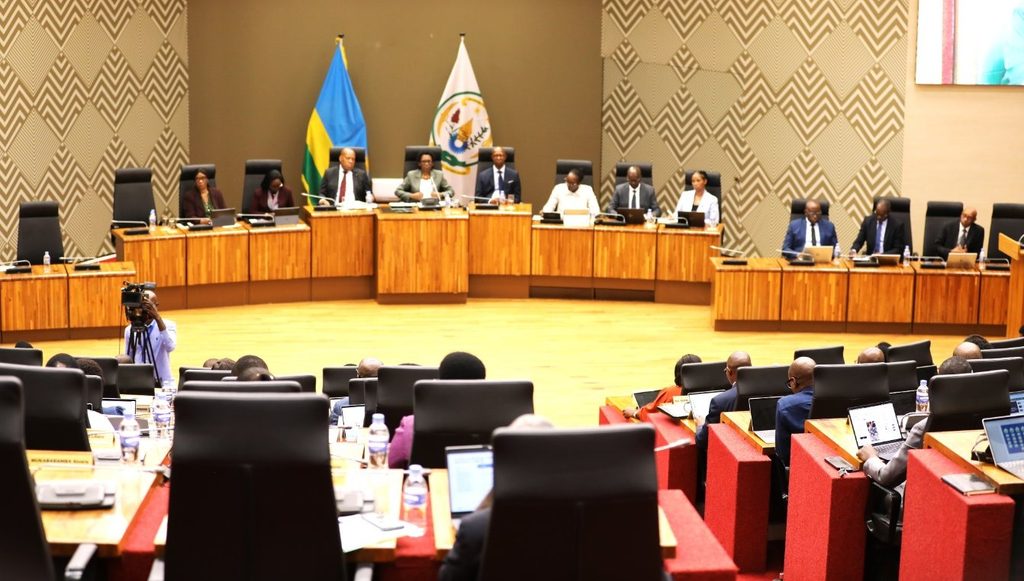
The concerns were raised on Wednesday, November 11, 2026, by MP James Kanamugire during a joint sitting of both chambers of Parliament, where RGB presented its 2025/26 activity report.
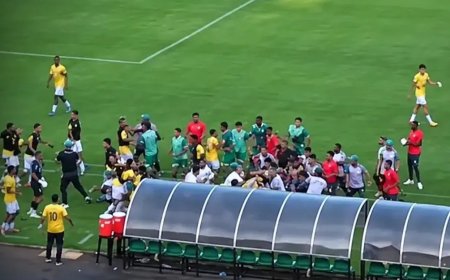
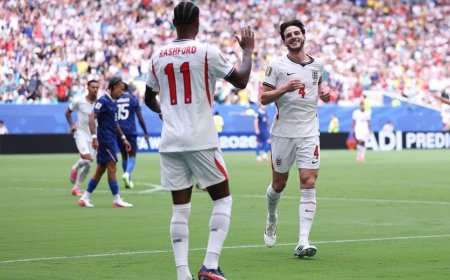
Kanamugire questioned what the governance watchdog was doing to address what he described as ineffective leadership and unresolved disputes within FERWAFA, arguing that internal rivalries were undermining the development of football and Rwanda's ambitions to use sports as a driver of tourism.
He also expressed concern over growing hostility among sports journalists, media outlets and YouTube-based content creators, saying personal attacks and public confrontations during football discussions were damaging the sport's image.
His remarks followed President Paul Kagame’s press conference on August 24, 2026, during which the Head of State criticised indiscipline, internal conflicts and other practices holding back Rwandan football despite substantial government support, including investment in sports infrastructure.
Kanamugire asked RGB to work with relevant institutions to promote accountability within FERWAFA and encourage professionalism among sports media practitioners.
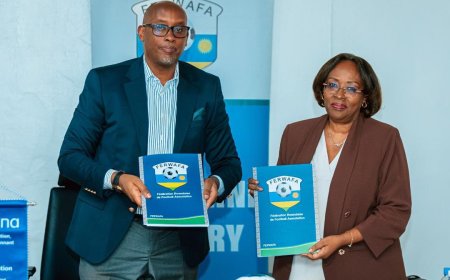
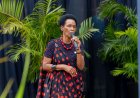
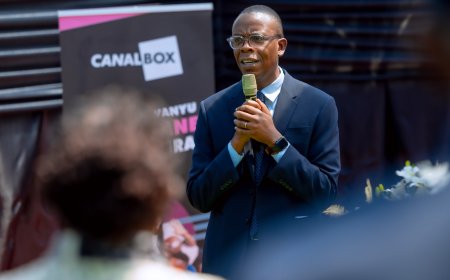
Responding, RGB Chief Executive Officer Dr Doris Picard Uwicyeza said the board had already conducted governance assessments involving FERWAFA and other sports organisations, working alongside the Ministry of Sports to identify institutional weaknesses and recommend improvements.
She explained that FERWAFA had been advised to strengthen its internal structures, ensure member clubs operate within the law and establish effective mechanisms for handling disputes.
Among the recommended structures are functional audit committees and conflict-resolution committees, which would enable football administrators to address disagreements internally rather than allowing them to escalate publicly.
“We encourage them to continue embracing transparency and accountability. This is something that requires continuous attention”, she said, adding that RGB’s objective was to help sports organisations develop sustainable solutions to their governance challenges.
RGB’s engagement with FERWAFA is not new.
In November 2020, the board published a governance assessment conducted in collaboration with the Ministry of Sports, examining nine sports federations and 19 clubs, including football institutions.
The assessment identified weaknesses in institutional accountability, financial management, conflict resolution and the functioning of sports organisations.
It recommended that federations strengthen their statutory organs, particularly audit and dispute-resolution committees, while improving oversight of affiliated clubs.
The report also highlighted challenges involving football clubs such as Musanze FC, Etincelles FC and Rayon Sports in complying with governance requirements.
More recently, on June 27, 2025, FERWAFA organised a governance and compliance workshop to help clubs understand revised federation statutes and Rwanda’s Law No. 058/2024 governing non-governmental organisations.
The initiative was followed by another compliance review session on March 10, 2026, during which FERWAFA informed clubs that RGB had extended the deadline for submitting required governance documents to July 18, 2026.
FERWAFA also met FIFA’s governance team on February 20, 2026, to discuss institutional accountability, separation of powers and governance standards.
On the issue of sports journalism, Dr. Uwicyeza said professional journalists are expected to regulate their conduct through the Rwanda Media Commission (RMC), which provides professional guidance, engages media practitioners and addresses ethical concerns.
She distinguished professional journalists from other social media content creators who use YouTube platforms to express opinions without necessarily operating as accredited journalists.
However, she warned that individuals who fabricate information or deliberately spread false reports could face action from the relevant authorities.
The debate comes as Rwanda seeks to strengthen sports tourism under the Second National Strategy for Transformation (NST2), with the government targeting Rwf30 billion in revenue from sports tourism and events by 2029.
Photos


What's Your Reaction?
 Like
0
 Dislike
0
 Love
0
 Funny
0
 Angry
0
 Sad
0
 Wow
0