
























DR Congo dissolves Joseph Kabila’s PPRD Party
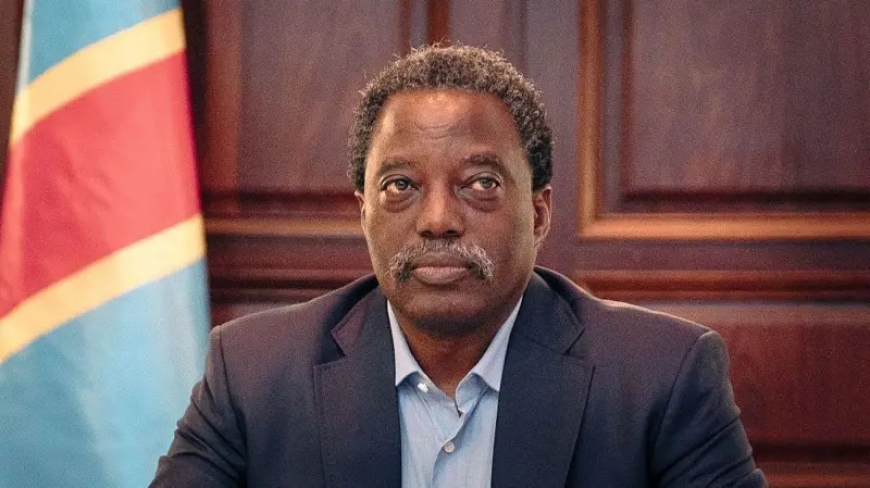
The Democratic Republic of Congo’s (DRC) Conseil d’État has ordered the dissolution of the People’s Party for Reconstruction and Democracy (PPRD), the political organisation founded by former President Joseph Kabila, following accusations linking some of its senior members to an armed rebellion in the country’s east.
The ruling was delivered on Friday, October 30, 2026, in Kinshasa, after the country’s highest administrative court considered a petition filed by Interior Minister Jacquemain Shabani seeking the party’s dissolution.
According to the Congolese News Agency (ACP), the court declared the government’s application admissible and well-founded, confirming the minister’s earlier decision to prohibit the PPRD’s activities across the country.
Presiding judge Marie-Louise Mongu said the court had established that the participation of some senior party officials in an insurrectionist undertaking constituted a serious violation of the law governing political parties.
Court also cited threats to public order, national unity and territorial integrity.
The ruling follows growing tensions between Kabila and President Félix Tshisekedi’s administration over the security crisis in eastern DR Congo.
On October 12, Kabila was officially announced as the leader of the Front for the Refoundation of the Nation (FRN), a new political-military movement unveiled in the rebel-controlled city of Goma.
Organisation emerged from the former Alliance Fleuve Congo (AFC) and March 23 Movement (M23) coalition, bringing together several of its prominent figures, including Corneille Nangaa and Bertrand Bisimwa.
The development intensified government accusations that the former president was supporting armed groups fighting against Tshisekedi’s administration.
Kabila and his political associates have previously rejected allegations of collaboration with the rebels.
Three days after the FRN announcement, on October 15, the Interior Ministry ordered the suspension of activities of 13 political parties, including the PPRD, across the country.
The government subsequently pursued legal action seeking the party’s dissolution.
The court’s decision has also exposed divisions within Kabila’s former political establishment.
Several PPRD members and associates reportedly distanced themselves from his decision to lead the new movement, with some announcing their resignations in opposition to the adoption of an armed struggle.
Some party officials have also questioned the legal process.
According to local media reports, unnamed PPRD members described the dissolution as arbitrary and raised concerns about whether the party’s defence rights had been respected.
Senior PPRD figures, including former National Assembly president Aubin Minaku, former presidential candidate Emmanuel Ramazani Shadary and party official Dunia Kilanga, remain in detention amid ongoing investigations into allegations involving state security.
Founded in March 2002 during the Sun City peace process in South Africa, the PPRD became one of the DRC’s most influential political organisations under Kabila, who served as president from 2001 to 2019.
The party played a central role in the governing presidential majority following the 2006 and 2011 elections.
However, it lost power in 2019 when Tshisekedi succeeded Kabila, marking the country's first peaceful transfer of presidential power between elected leaders.
What's Your Reaction?
 Like
0
 Dislike
0
 Love
0
 Funny
0
 Angry
0
 Sad
0
 Wow
0