







































































US sends 12 deportees to Burundi amid growing rights concerns

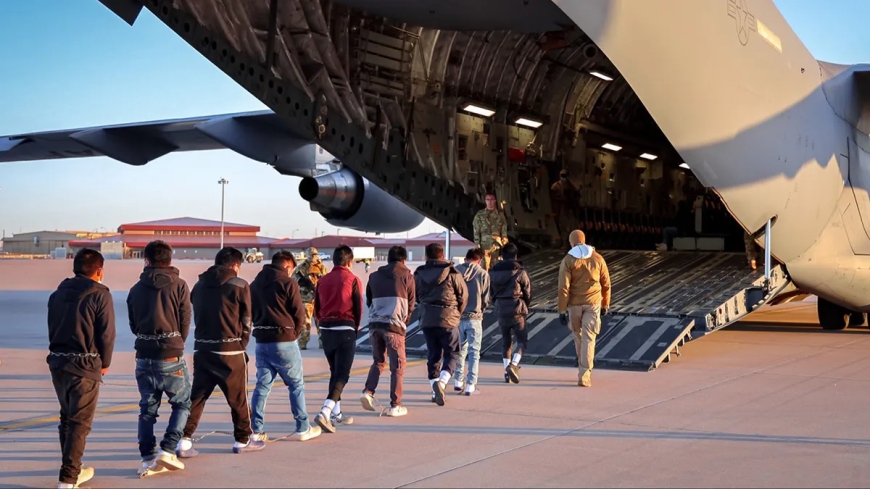
Burundi has joined a growing list of African countries accepting migrants deported by the United States to countries other than their own, in a controversial policy that has drawn criticism from human rights groups.
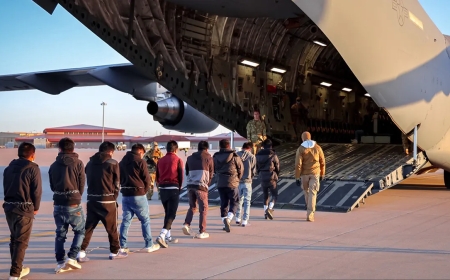
At least 12 people — 11 men and one woman — were flown from the United States to Burundi on August 27, according to information compiled by Human Rights First and Refugees International.
The deportees are reported to include nationals of Cameroon, Angola, Mauritania and Sudan.
The transfer had been the subject of speculation in Burundi before President Evariste Ndayishimiye acknowledged that his government had agreed to receive third-country deportees from the United States.
In an interview with France 24, Mr Ndayishimiye said Burundi had accepted the principle of receiving such migrants.
Presidential spokesperson Nancy Ninette Mutoni later gave a similar explanation, while denying at the time that any deportees had already arrived.
But sources in Burundi, the United States and the UN migration agency, the International Organization for Migration (IOM), have since provided information indicating that the first group had already been transferred.
The IOM has not publicly confirmed details of the alleged transfer, saying it could not provide assistance on the matter at the time.
The case highlights the secrecy surrounding Washington’s expanding deportation arrangements with African governments.
The United States has sought agreements with countries willing to receive migrants whom Washington does not immediately return to their countries of origin.
Human Rights First and Refugees International say thousands of people have been subjected to third-country removals under the Trump administration.
Their Third Country Deportation Watch has documented transfers involving several African states, including Rwanda, Uganda, Ghana, Liberia, Eswatini, Sierra Leone, South Sudan, Equatorial Guinea and the Democratic Republic of Congo.
The policy has prompted concerns over what happens to deportees once they arrive in countries with which they may have no previous connection.
Some migrants transferred under the programme had obtained protection from removal through US legal proceedings because they could face persecution, torture or other serious harm if returned to their countries of origin.
Human Rights First has argued that third-country deportations can undermine migrants’ right to seek protection and can expose them to further removal.
The financial and diplomatic terms of the agreements are also largely unclear.
A US Senate report found that Washington had provided millions of dollars to several countries involved in third-country deportation arrangements.
Eswatini, for example, acknowledged receiving $5.1 million from the United States after agreeing to accept deportees.
A US Senate report also identified payments linked to arrangements with Rwanda and several other countries.
For African governments, however, accepting deportees can offer more than direct financial benefits.
Some see the agreements as an opportunity to strengthen diplomatic ties with Washington or secure cooperation on security, trade and other national priorities.
The Democratic Republic of Congo, for example, has sought greater US involvement in its conflict with Rwanda and increased cooperation in the mining sector.
South Sudan also presented Washington with a list of demands after agreeing to receive deportees, including requests linked to US sanctions and political issues.
Burundi’s agreement with Washington is believed to have been signed earlier this year, but its full terms have not been made public.
That secrecy has left unanswered one of the most important questions surrounding the 12 people reportedly sent to Burundi.
It remains unclear whether they will stay in Burundi, be returned to their countries of origin or eventually be transferred elsewhere.
For human rights organisations, that uncertainty is at the heart of the controversy.
They argue that deportation should not become a process in which vulnerable migrants are moved from one country to another without clear safeguards, legal protection and guarantees against further harm.
What's Your Reaction?
 Like
1
Like
1
 Dislike
0
Dislike
0
 Love
0
Love
0
 Funny
0
Funny
0
 Angry
0
Angry
0
 Sad
0
Sad
0
 Wow
0
Wow
0