











































Brazil: Lula wins historic fourth term amid political divisions

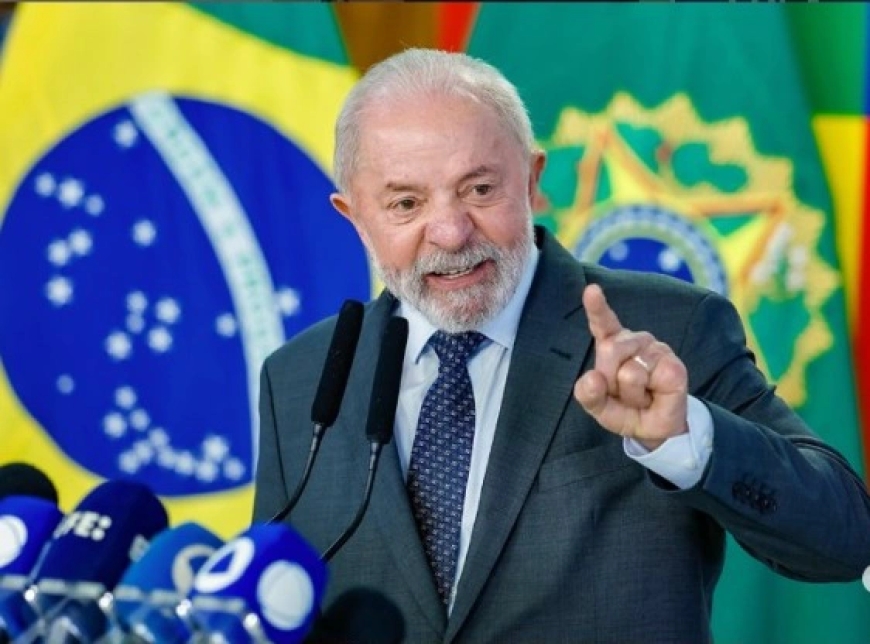
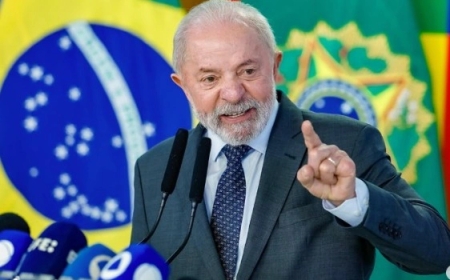
Brazilian President Luiz Inácio Lula da Silva has won an unprecedented fourth presidential term, defeating right-wing challenger Flávio Bolsonaro in a closely contested runoff election that highlighted deep political divisions in Latin America’s largest country.
The 80-year-old leader secured 51.79% of valid votes, compared with 48.21% for Bolsonaro, according to the final count published by Brazil’s electoral authorities.
The result gives Lula another four years in office and marks a remarkable comeback after he finished second in the first round on October 4.
Lula, a former metalworker and longtime leader of Brazil’s left-wing Workers’ Party, previously served as president from 2003 to 2010 before returning to power in January 2023.
His latest victory makes him the first Brazilian president to win four presidential elections since the country returned to democracy in 1985.
The election campaign intensified during the final weeks, with Lula’s supporters mobilising through street rallies and social media.
His campaign also expanded its digital outreach to strengthen support among voters, helping him overcome Bolsonaro’s first-round advantage.
According to Brazil’s official electoral results, Lula received more than 64.2 million votes, while Bolsonaro secured approximately 59.8 million.
The outcome reversed the first-round results, in which Bolsonaro received 47.03% of valid votes against Lula’s 45.16%.
However, the victory does not guarantee an easy path to governing.
Lula will face a deeply divided electorate and a conservative-leaning Congress, where opposition lawmakers could complicate efforts to advance his legislative agenda.
Key issues during the campaign included public security, the cost of living, economic policy, social welfare and corruption.
Lula pledged to protect social programmes and improve living conditions, while Bolsonaro campaigned on a tougher security agenda and a conservative platform associated with his father, former president Jair Bolsonaro.
The result also carries significant implications for Brazil’s foreign policy, particularly its relationship with the United States under President Donald Trump.
Washington has sought closer ties with conservative governments across the region, while Lula has pursued a more independent diplomatic approach and maintained Brazil’s engagement with international groupings including BRICS.
Lula’s re-election therefore represents a setback for Brazil’s political right and a counterpoint to conservative gains elsewhere in Latin America.
Nevertheless, his administration will need to navigate economic pressures, congressional resistance and continuing political polarisation.
His new term is scheduled to begin on January 5, 2027.
What's Your Reaction?
 Like
0
 Dislike
0
 Love
0
 Funny
0
 Angry
0
 Sad
0
 Wow
0