














































US threatens to dismantle International Criminal Court
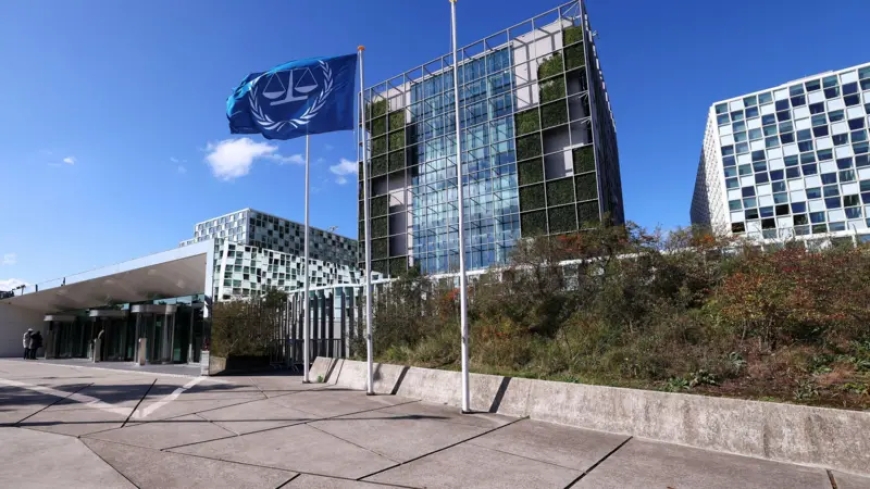
The United States has intensified its confrontation with the International Criminal Court (ICC), imposing sanctions on the Hague-based institution and warning that it could seek to dismantle it unless the court changes its approach to investigations involving American citizens and US allies.
The measures have drawn strong condemnation from the ICC, which says Washington is attempting to undermine international justice, intimidate its officials and obstruct its work.
The court has vowed to continue operating independently and impartially.
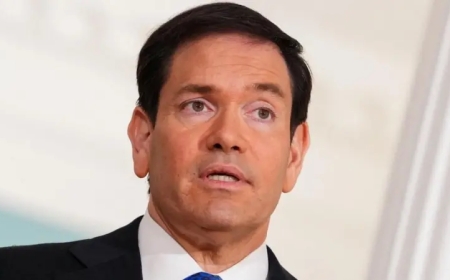
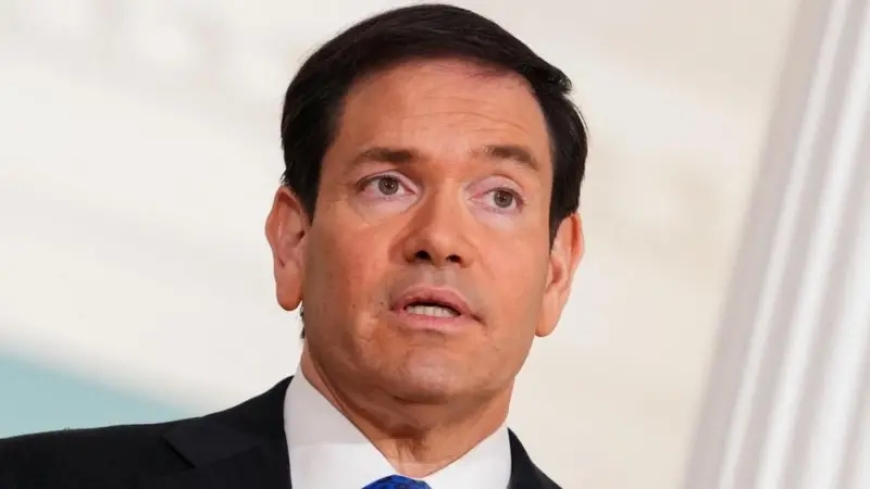
The latest measures, announced by US Secretary of State Marco Rubio, are part of President Donald Trump’s administration’s campaign against the court.
Washington argues that the ICC has exceeded its authority by pursuing cases involving US personnel and Israeli officials, despite the United States and Israel not being members of the institution.
The sanctions could have far-reaching consequences.
They target the court’s access to US financial services and prohibit American entities from conducting business with it, potentially affecting its ability to pay staff, obtain technology and maintain essential services.
The administration has given US businesses a period to end their dealings with the institution.
Rubio has also urged countries that are members of the ICC to support Washington’s position, increasing pressure on governments that back the court.
The ICC has rejected the sanctions, describing them as an attack on judicial independence and the international rule of law.
Its president, Tomoko Akane, has maintained that the court will not be intimidated and will continue pursuing justice for victims of serious crimes.
The court has called on its 125 member states to provide the political and practical support needed to sustain its operations.
The ICC was established under the Rome Statute, adopted in 1998 and brought into force on July 1, 2002.
Based in The Hague, Netherlands, it prosecutes individuals accused of genocide, war crimes, crimes against humanity and the crime of aggression.
It is intended to complement national courts, stepping in when countries are unwilling or unable genuinely to investigate and prosecute such crimes.
The court is independent of the United Nations, although the UN Security Council can refer situations to it.
The institution emerged from decades of efforts to create a permanent international court, building on the experience of tribunals established after the Second World War and later courts addressing atrocities in the former Yugoslavia and Rwanda.
The United States participated in negotiations leading to the Rome Statute but voted against its adoption in 1998.
President Bill Clinton signed the treaty in 2000, but the administration of President George W. Bush later withdrew that signature.
Washington has never ratified the statute and maintains that the ICC cannot exercise jurisdiction over Americans without US consent.
The dispute has intensified over investigations into alleged crimes by US personnel in Afghanistan and arrest warrants issued for Israeli Prime Minister Benjamin Netanyahu and former defence minister Yoav Gallant over alleged crimes in Gaza.
Photos
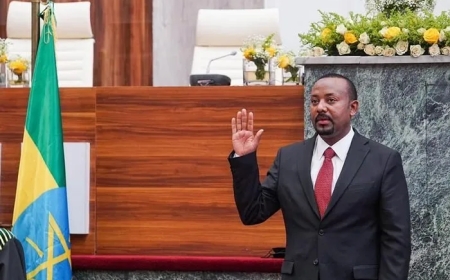
Marco Rubio, the U.S. Secretary of State
What's Your Reaction?
 Like
0
Like
0
 Dislike
0
Dislike
0
 Love
0
Love
0
 Funny
0
Funny
0
 Angry
0
Angry
0
 Sad
0
Sad
0
 Wow
0
Wow
0