





























































Deadly Ebola outbreak claims 5,000 lives in DR Congo

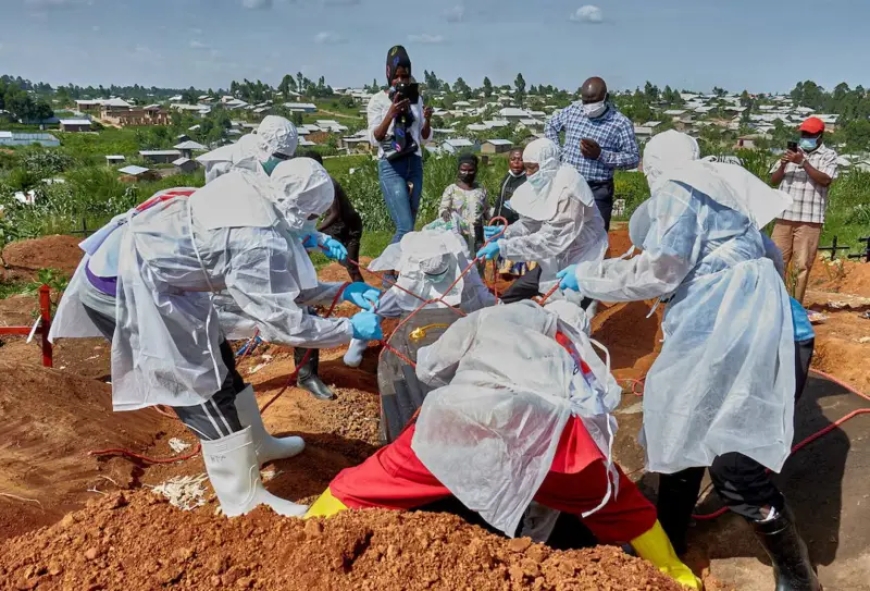
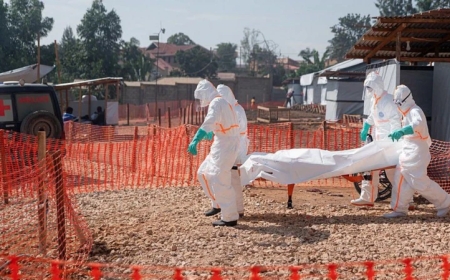
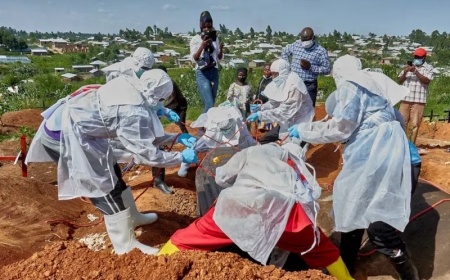
The Democratic Republic of Congo (DRC) has recorded more than 5,000 deaths from the Bundibugyo strain of Ebola, making the ongoing outbreak the second-deadliest in the history of the disease.
According to a report released on Friday, October 30, by the DRC presidential office’s Ebola response coordination team, a total of 10,351 people tested positive for the virus since the outbreak began, with 5,026 deaths recorded.
Health authorities also reported 77 newly confirmed infections and 34 additional deaths, highlighting the continued spread of the disease despite ongoing containment efforts.
Ituri Province remains the epicentre of the outbreak, accounting for 71 per cent of all confirmed infections and 36.4 per cent of newly reported cases nationwide, according to the government report.
The outbreak has spread across 67 health zones in eight of the country's 26 provinces.
The reported case fatality rate stands at 48.6 per cent, illustrating the severity of the disease.
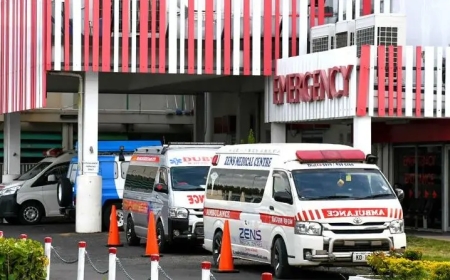
Authorities say 1,101 patients are currently receiving treatment in Ebola treatment centres and isolation facilities, while 2,788 people have recovered from the infection.
The response has been complicated by insecurity in eastern DRC, where armed conflict and attacks against healthcare workers have disrupted efforts to contain transmission.
Health teams have also faced resistance from some communities, making contact tracing, patient identification and public health awareness campaigns more difficult.
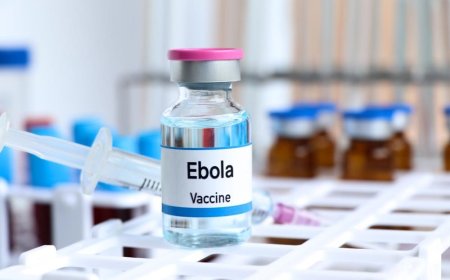
Another major concern is the absence of an approved vaccine specifically targeting the Bundibugyo virus.
The Ervebo vaccine, which has been used during outbreaks caused by the Zaire strain of Ebola, does not have established protective efficacy against Bundibugyo.
The World Health Organization (WHO) has recommended that Ervebo be used against the Bundibugyo strain only within a research protocol, while vaccination of healthcare and frontline workers has been undertaken as part of the response.
The outbreak has also raised concerns beyond DRC’s borders after infections were identified in other countries.
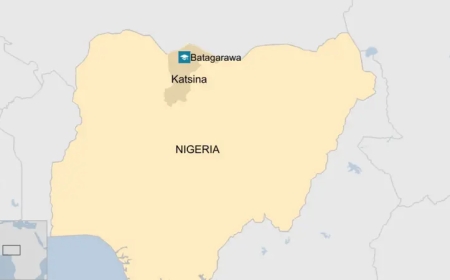
Nigeria confirmed its first imported case on October 20, involving a woman who had travelled from Uganda.
She developed symptoms on October 7 and was subsequently isolated after laboratory tests confirmed the infection.
Kenya has also reported nine confirmed cases, including two deaths, linked to the initial imported infection.
Uganda previously recorded infections connected to the wider outbreak, while France reported an imported case that was later declared recovered.
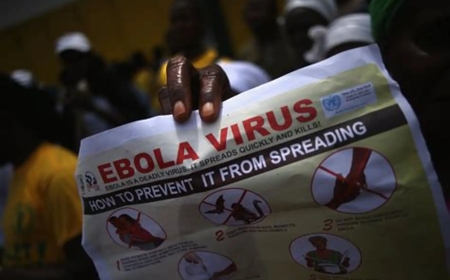
The WHO continues to call for additional international support to strengthen surveillance, treatment, contact tracing and infection prevention measures.
With infections continuing to emerge across several regions, health authorities are concerned that insecurity, limited resources and cross-border movement could further complicate efforts to bring the outbreak under control.
What's Your Reaction?
 Like
0
 Dislike
0
 Love
0
 Funny
0
 Angry
0
 Sad
0
 Wow
0