
































































Why a deadly landslide at M23 Rebel-controlled Mine killed at least 200 Miners

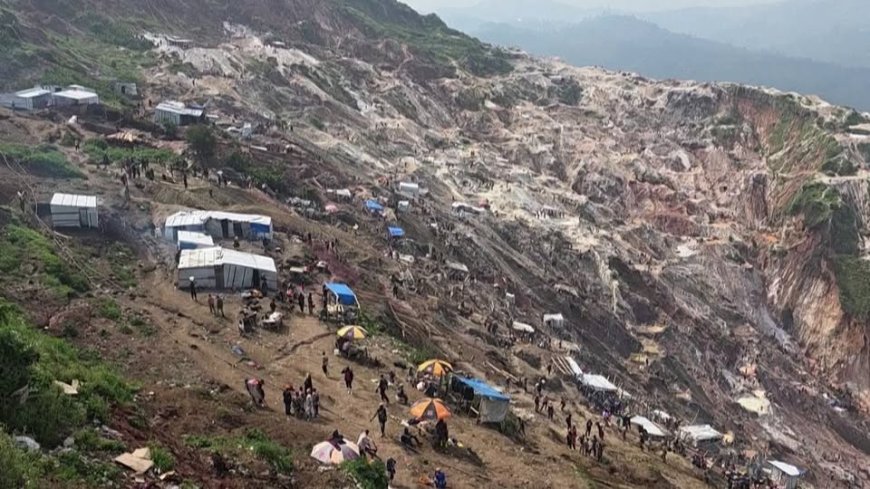
A deadly landslide at the Rubaya coltan mines in eastern Democratic Republic of Congo (DRC) has left at least 200 people dead, highlighting the extreme dangers of artisanal mining in a region already destabilized by conflict and humanitarian crisis.
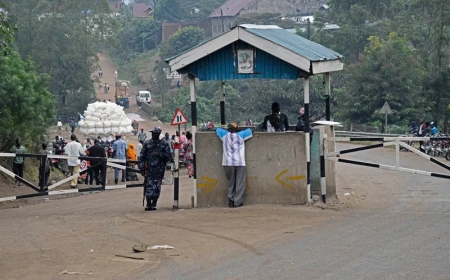
The collapse occurred last Wednesday after heavy rains caused several hand-dug tunnels to cave in at the mine, which is located about 25 miles west of Goma and is currently controlled by the M23 Rebel group.
Rubaya is one of the most important coltan mining sites in the region.
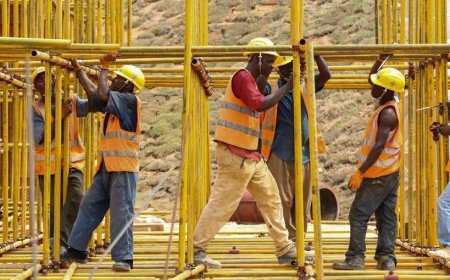
Thousands of miners work there in largely unregulated and unsafe conditions, digging long, narrow tunnels by hand with little structural support and no formal evacuation routes.
According to former miners, tunnels are often dug parallel to one another, meaning a single collapse can trigger multiple cave-ins at once.
One former miner described how hundreds of people can be working in a single pit, making such disasters both likely and devastating.
Repeated landslides have occurred in the past, largely due to poor construction, lack of maintenance, and the absence of safety oversight.
Following the collapse, responsibility quickly became politicized.
Congo’s government expressed sympathy for the victims’ families while accusing M23 Rebels of illegally exploiting the country’s natural resources and failing to protect workers.
M23 leaders rejected those accusations, saying the government was using a tragic accident for political purposes and pointing to similar mining disasters that have occurred in government-controlled areas.
The remote location of the mines has made it difficult to verify casualty figures or conduct large-scale rescue efforts, and an unknown number of miners are still missing.
The disaster unfolded in the context of a broader and long-running conflict in eastern Congo.
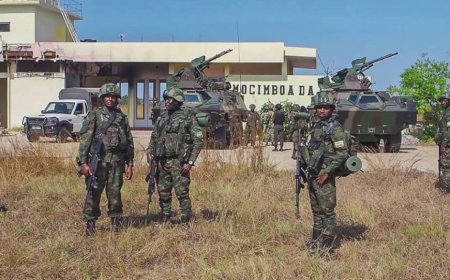
The M23 is one of around 100 armed groups operating in the region, which has been plagued by violence for decades.
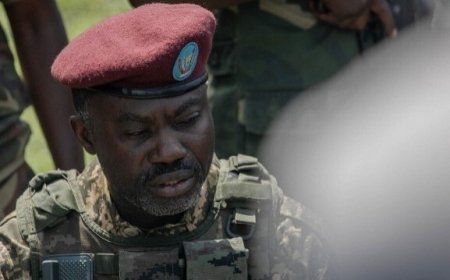
Originally formed in 2012 by fighters from the Tutsi minority who failed to integrate into the Congolese army, M23 went dormant for years before reemerging in 2022.
Since early 2024, the group has made significant territorial gains, including seizing Rubaya and advancing toward major regional centers such as Goma and Bukavu.
M23 claims it is defending Tutsis and Congolese of Rwandan origin from discrimination.
Congo, the United States, and United Nations experts accuse Rwanda of backing the rebels, while Rwanda denies direct support.
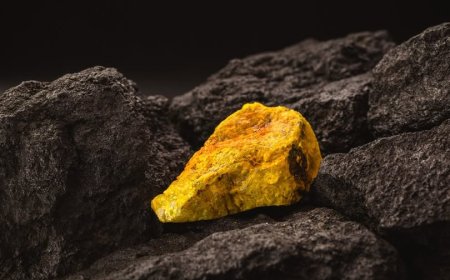
Rubaya’s importance lies in its vast deposits of coltan, an ore used to extract tantalum and niobium—metals essential to modern technology.
Tantalum is critical for mobile phones, computers, automotive electronics, and military hardware, while niobium is used in pipelines, rockets, and jet engines.
These materials are classified as critical minerals by the United States, European Union, China, and Japan.
According to U.N. experts, since seizing Rubaya, M23 has imposed taxes on the trade and transport of roughly 120 metric tonnes of coltan each month, generating at least $800,000 in monthly revenue.
The United States has taken an increasing interest in the region due to its mineral wealth.
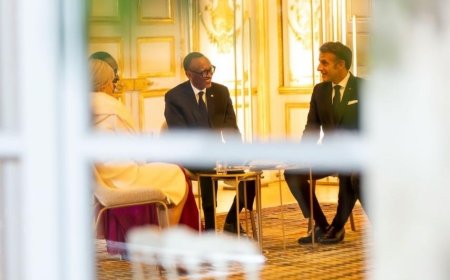
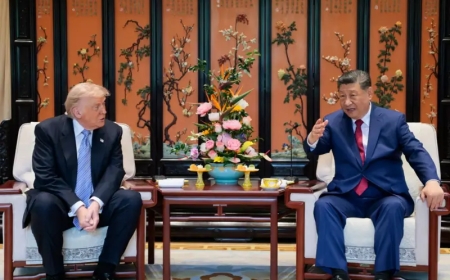
In December, the Trump administration hosted the leaders of Rwanda and Congo and brokered a peace deal described by the White House as historic, though critics say it has failed to curb violence.
The push reflects Washington’s broader effort to secure access to critical minerals and reduce dependence on China, which dominates global rare earth mining and processing.
The Rubaya collapse underscores the human cost embedded in this global competition for resources.
What's Your Reaction?
 Like
0
Like
0
 Dislike
0
Dislike
0
 Love
0
Love
0
 Funny
0
Funny
0
 Angry
0
Angry
0
 Sad
0
Sad
0
 Wow
0
Wow
0