
































Mojtaba Khamenei named Iran’s new supreme leader to replace his father

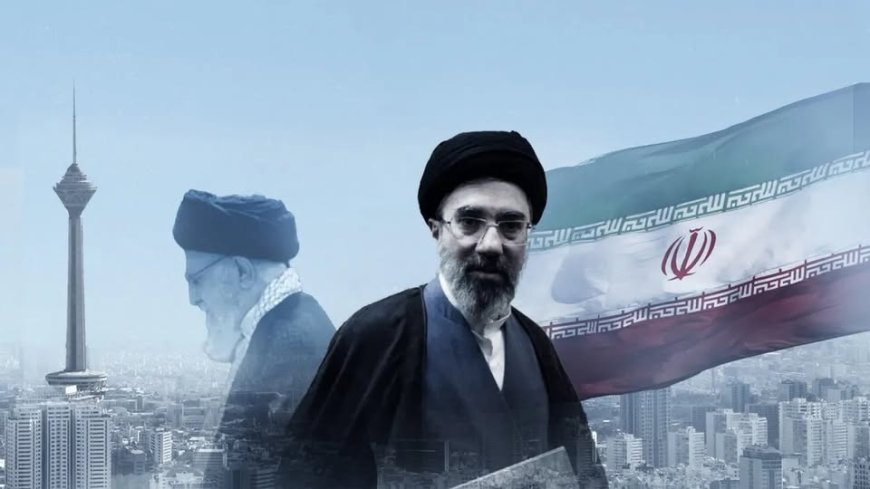
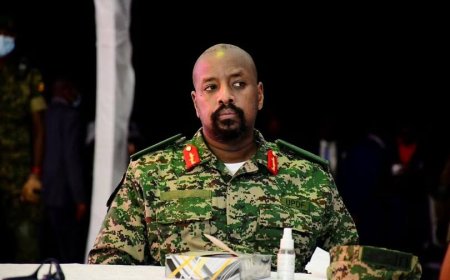
Mojtaba Khamenei, the second son of Ali Khamenei, has reportedly been selected as Iran’s new supreme leader following the death of his father during attacks linked to the ongoing conflict involving the United States and Israel against Iran.
According to Iranian state media, the decision was made by the Assembly of Experts, the 88-member clerical body responsible for appointing the country’s supreme leader.
Reports indicate that Ali Khamenei was killed in an attack on his compound in Tehran on February 28 during intense bombardments.
The strike also reportedly killed Mojtaba Khamenei’s mother, wife, and one of his sisters. Mojtaba himself was not present at the location during the attack and survived the strike.
In an official statement broadcast on state media, the Assembly of Experts said Mojtaba Khamenei had been chosen through a “decisive vote.”
The body called on Iranians to remain united and pledge their support to the new leader.
The statement particularly urged “elites and intellectuals of the seminaries and universities” to show loyalty to the leadership and maintain national unity during the crisis.
Although Mojtaba Khamenei has never run for political office or faced a public election, he has long been considered an influential figure within Iran’s ruling establishment.
Over the years, he has developed close ties with powerful institutions such as the Islamic Revolutionary Guard Corps (IRGC), which plays a major role in Iran’s military, political, and economic affairs.
In recent years, analysts had increasingly viewed him as a potential successor to his father, who led Iran for more than three decades after serving as president in the 1980s.
Ali Khamenei became supreme leader in 1989 and held the country’s highest authority for 36 years until his reported death.
Mojtaba Khamenei’s rise to the top leadership position is seen by many observers as a sign that hardline factions continue to dominate Iran’s political system.
His appointment could also signal that the Iranian leadership may be less inclined to engage in negotiations or diplomatic agreements in the near future, especially during the current conflict.
Despite his significant influence behind the scenes, Mojtaba Khamenei has maintained a relatively low public profile.
Unlike many prominent clerics and political figures in Iran, he rarely gives public speeches, sermons, or political addresses.
As a result, many Iranians are familiar with his name but have never heard him speak publicly.
For years, opposition groups and critics have accused him of playing a key role in suppressing protests inside Iran.
Reformist politicians and activists have alleged that he was involved in the crackdown following the disputed 2009 presidential election, which sparked the Iranian Green Movement protests after the controversial re-election of Mahmoud Ahmadinejad.
Security forces, including the IRGC’s Basij militia, have repeatedly been accused by international organizations of violently suppressing protests.
Similar accusations resurfaced during more recent nationwide demonstrations, where human rights groups reported that thousands of protesters were killed during security crackdowns.
Supporters of the Iranian government, however, have rejected these claims, arguing that the unrest was fueled by foreign interference and describing many protesters as rioters supported by the United States and Israel.
Mojtaba Khamenei’s religious qualifications have also been debated.
He currently holds the clerical rank of hojatoleslam, which is considered a mid-level position rather than the higher rank of ayatollah traditionally associated with the role of supreme leader.
However, a similar situation occurred when his father became leader in 1989, as legal adjustments were made at the time to allow him to assume the position.
At present, uncertainty remains about how Iran’s political leadership will evolve following the reported attacks and ongoing military escalation.
Authorities have reportedly imposed nationwide internet restrictions and tight controls on information as the country continues to face heavy bombardment and political tension.
What's Your Reaction?
 Like
0
Like
0
 Dislike
0
Dislike
0
 Love
0
Love
0
 Funny
0
Funny
0
 Angry
0
Angry
0
 Sad
0
Sad
0
 Wow
0
Wow
0