


























































































Iran re-closes Strait of Hormuz, accuses US of maritime ‘piracy’

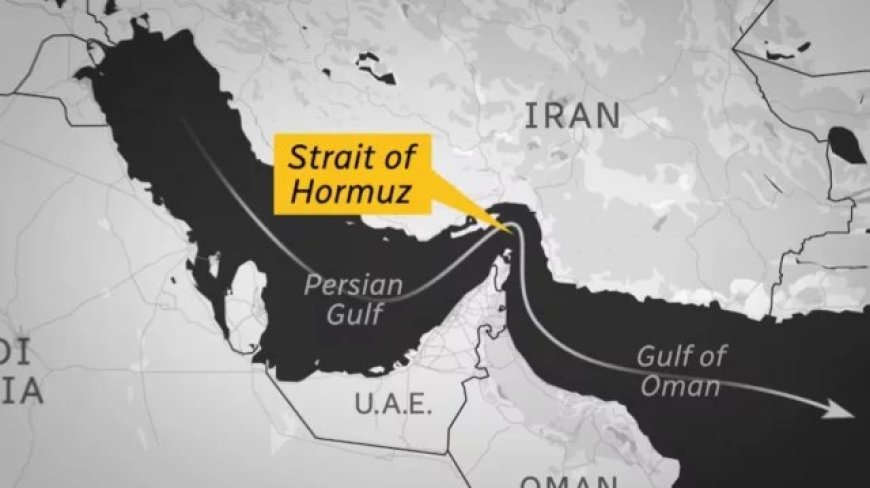
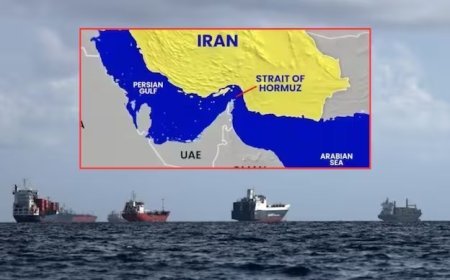
Tensions in the Middle East remain volatile despite fragile signs of de-escalation, as conflicting messages from Iran and the United States continue to cloud the status of the strategically vital Strait of Hormuz.
While both sides have at times suggested the waterway is open to commercial shipping, recent developments indicate that control over the strait remains a central bargaining tool in an increasingly complex geopolitical standoff.
Iran’s Islamic Revolutionary Guard Corps (IRGC) said that the strait has “returned to its previous state,” citing the ongoing US naval blockade of Iranian ports as justification for reimposing tighter control.
This contradicts earlier remarks by Iranian Foreign Minister Abbas Araghchi, who had stated that the passage was open to commercial vessels under coordinated conditions tied to a broader ceasefire framework in the region.
The mixed messaging highlights the fragile and uncertain nature of the current situation, where diplomatic signals are often overshadowed by military posturing.
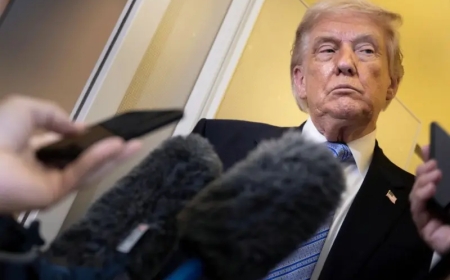
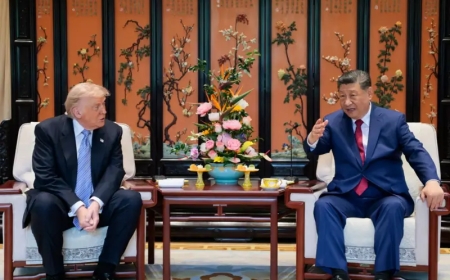
On the other side, US President Donald Trump has maintained a firm stance, insisting that the naval blockade will remain in place until a comprehensive agreement with Iran is reached.
His remarks suggest that Washington views economic and maritime pressure as a key lever in forcing concessions from Tehran, particularly regarding its nuclear program and regional influence.
However, such pressure appears to be contributing to the instability it seeks to resolve, as Iran increasingly uses the Strait of Hormuz as a countermeasure.
The strategic importance of the strait cannot be overstated. As one of the world’s most critical transit routes, any disruption has immediate implications for global energy markets.
Already, uncertainty surrounding its status has caused hesitation among shipping companies, with some vessels attempting passage only to turn back amid unclear security conditions.
Reports of tankers being fired upon near the Gulf of Oman further underscore the risks, even as officials claim that some ships have successfully navigated the corridor.
Beyond maritime tensions, there are cautious signs of normalization in other areas. Iran has reopened parts of its eastern airspace, allowing limited commercial flights to resume after weeks of disruption caused by the conflict.
Several airports, including those in Tehran, have also restarted operations, signaling a potential, albeit tentative, return to civilian activity.
Similarly, Iraq has announced plans to resume full oil exports in the coming days, a move that could help stabilize global supply chains if sustained.
Meanwhile, the broader regional context adds another layer of complexity.
A temporary ceasefire in Lebanon—reportedly influenced by US diplomatic pressure—has allowed tens of thousands of displaced civilians to begin returning home.
Yet, Israeli forces remain active in parts of southern Lebanon, and the durability of the ceasefire remains uncertain.
Trump has warned Israel against further escalation, even as he hinted that US military action against Iran could resume if negotiations fail.
Diplomatic efforts are intensifying, with countries like Pakistan playing a mediating role in attempting to bridge the gap between Washington and Tehran.
However, key sticking points remain unresolved, including sanctions relief, security guarantees, and Iran’s nuclear activities.
Tehran has made it clear that it seeks a comprehensive agreement rather than temporary measures, signaling reluctance to engage in prolonged, incremental negotiations.
Ultimately, the situation remains highly fluid. While limited gestures—such as selective reopening of shipping lanes—may suggest a willingness to de-escalate, the underlying tensions persist.
The Strait of Hormuz has become both a symbol and a tool of this standoff, reflecting a broader struggle for leverage in a region where diplomacy and confrontation continue to unfold side by side.
What's Your Reaction?
 Like
0
Like
0
 Dislike
1
Dislike
1
 Love
0
Love
0
 Funny
0
Funny
0
 Angry
0
Angry
0
 Sad
0
Sad
0
 Wow
0
Wow
0