

























































































How to stay safe during an earthquake

Earthquakes can strike without warning, but preparation and a calm response can significantly reduce the risk of injury when the ground begins to shake.
From securing furniture at home to knowing where to shelter during an earthquake, experts and emergency agencies consistently stress the importance of preparation before disaster strikes.
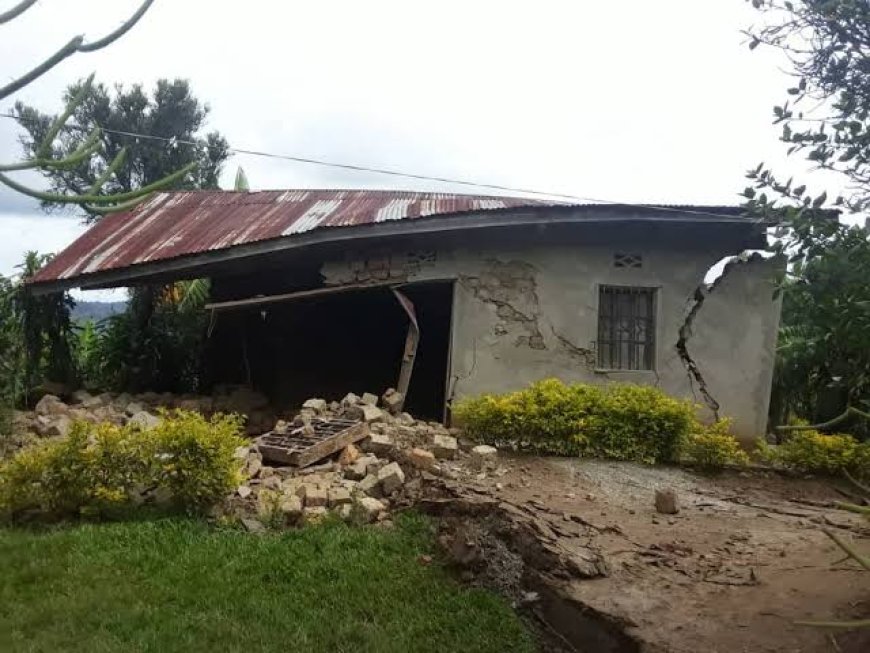
Recent earthquake experiences in Rwanda have also highlighted how panic can become a danger in itself.
In July 2025, at least 14 students in Gicumbi District were injured after panic triggered a rush from classrooms following a magnitude 6.1 earthquake originating from Lake Tanganyika.
Here are five practical steps to improve earthquake safety.
1. Make your surroundings safer
Before an earthquake occurs, identify objects that could fall or break during strong shaking.
Tall bookcases, cabinets and other heavy furniture should be secured to walls, while heavy or fragile items should be kept on lower shelves.
Televisions and other large objects should also be secured.
People should identify safe places away from windows, glass and objects that could fall, while learning how to shut off gas, electricity and water if necessary.
2. Prepare an emergency kit
A readily accessible emergency kit can become vital if electricity, water supplies or communications are disrupted.
It should contain drinking water, non-perishable food, a first-aid kit, a flashlight, spare batteries, a radio, a whistle and essential medicines.
A power bank, copies of important documents, some cash and sturdy shoes can also help survivors cope with broken glass and debris.
Sky News has highlighted the importance of emergency supplies in earthquake-prone areas, including advice for residents to maintain enough essential provisions during periods of heightened seismic risk.
3. Drop, Cover and Hold On
When shaking starts indoors, the safest response is generally to stay inside rather than rushing outdoors.
Drop to your hands and knees, take cover beneath a sturdy table or desk, protect your head and neck, and hold on until the shaking stops.
If no shelter is nearby, move towards an interior wall away from windows and other hazards.
The same principle applies in schools, offices and shops, although people should also follow instructions from teachers, staff and emergency authorities.
4. Adapt to your surroundings
The correct response depends on where you are.
In a car, pull over safely away from bridges, power lines and trees and remain inside until the shaking stops.
Outdoors, move into an open area away from buildings and anything that could fall.
In a lift, remain inside until it stops, then leave if it is safe.
5. Stay alert after the shaking
The end of the first tremor does not necessarily mean the danger has passed.
Aftershocks can follow, while damaged buildings, fires, gas leaks, broken glass and fallen power lines can create additional hazards.
Check yourself and others for injuries and avoid damaged structures.
If you smell gas or suspect a damaged gas pipe, leave the area and seek professional assistance rather than attempting repairs yourself.
Al Jazeera has also stressed the importance of clean water, sanitation and essential supplies following major earthquakes, while noting that preparedness and community resilience can reduce the impact of disasters.
Rwanda has experienced damaging seismic events before.
The earthquakes associated with the 2022 Nyiragongo volcanic crisis caused extensive damage in Rubavu, with losses estimated at Rwf91 billion.
The lesson is simple: preparation should begin long before the ground moves.
A secured home, emergency kit and knowledge of Drop, Cover and Hold On can make the difference between panic and a safer response.
What's Your Reaction?
 Like
0
Like
0
 Dislike
0
Dislike
0
 Love
0
Love
0
 Funny
0
Funny
0
 Angry
0
Angry
0
 Sad
0
Sad
0
 Wow
0
Wow
0