






































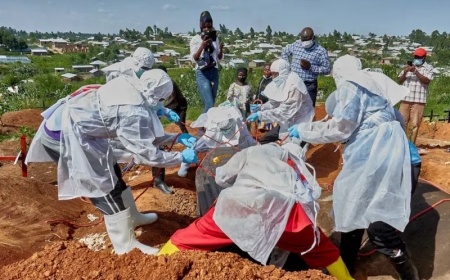




DR Congo: MSF to close Elikia Ebola treatment centre in Bunia
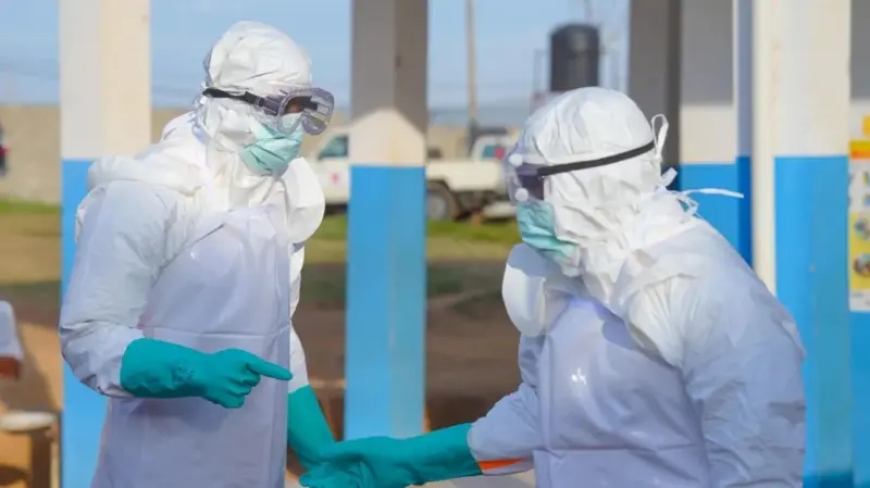
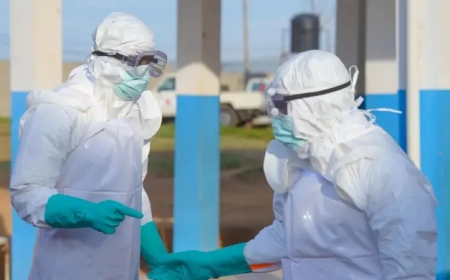
Doctors Without Borders (MSF) is preparing to close its Elikia Ebola treatment centre in Bunia, Ituri Province, as additional facilities have boosted the city’s capacity to treat patients.
The centre was established as an emergency response facility in June, when the Ebola outbreak was intensifying in the northeastern Democratic Republic of Congo (DRC).
MSF says it has treated 572 Ebola patients at Elikia over the past four months.
The organisation says additional treatment centres have since been established in different parts of Bunia, providing sufficient capacity to receive and manage patients.
Following the closure, MSF plans to redeploy its emergency response teams to other areas affected by the outbreak, where significant needs remain.
Community outreach and Ebola awareness activities in the Bigo, Ndibe and Nzere areas of Bunia are also expected to conclude by mid-November.
MSF says the closure will not mark the end of its involvement in the Ebola response.
The organisation will continue supporting efforts to contain the disease and has urged residents to remain vigilant and immediately report suspected infections to the relevant health authorities.
The development comes as the DRC continues to battle a major outbreak of Ebola disease caused by the Bundibugyo virus.
The World Health Organization (WHO) reported that the outbreak was declared on May 15, 2026, after laboratory testing confirmed infections in Ituri Province.
In its October 8 update, WHO said the country had recorded 8,728 confirmed cases and 4,205 confirmed deaths as of October 6.
Ituri remained the most affected province, with 6,480 confirmed cases and 2,989 deaths.
Bunia was among the health zones reporting substantial numbers of infections.
The situation has continued to evolve.
On October 18, the outbreak had spread to North Ubangi, the eighth province affected, with 9,415 cases and 4,536 deaths recorded nationally as of October 16.
WHO has identified insecurity, population movements and difficulties in accessing affected communities as challenges to controlling the outbreak.
Its response includes surveillance, contact tracing, clinical care, the delivery of medical supplies and community engagement.
The virus responsible for the outbreak is the Bundibugyo species of Ebola.
WHO says there is no licensed vaccine or specific treatment for this strain, although early supportive care can be lifesaving.
MSF’s decision to redirect emergency teams reflects the need to deploy resources where they are most urgently required.
Residents are being urged to seek guidance from health authorities if they suspect an infection and to cooperate with public health teams working to prevent further transmission.
What's Your Reaction?
 Like
0
 Dislike
0
 Love
0
 Funny
0
 Angry
0
 Sad
0
 Wow
0