







































































Zelenskyy and Trump clash over Russia Fuel deal

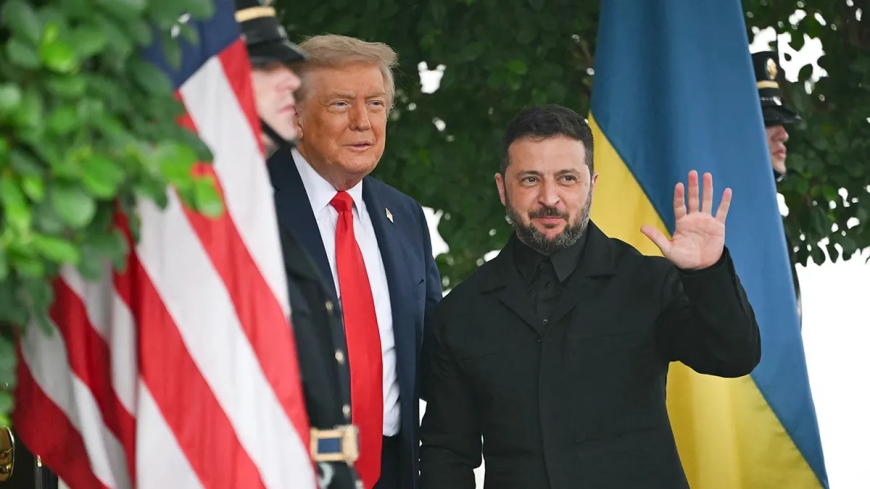
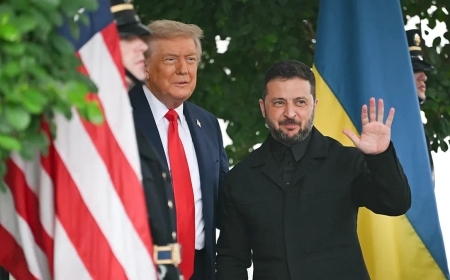
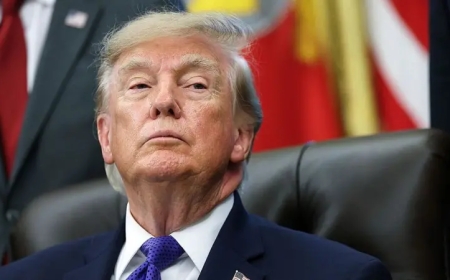
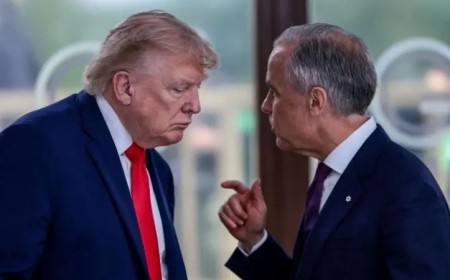
US President Donald Trump has called for Ukraine to replace President Volodymyr Zelenskyy, escalating tensions between Washington and Kyiv after the Ukrainian leader criticised a controversial agreement allowing Russian diesel exports to resume.
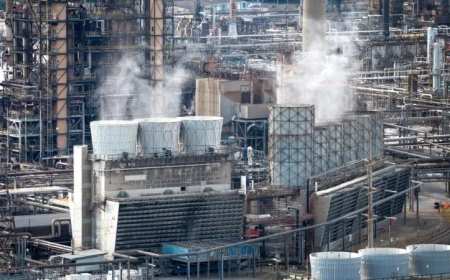
Trump made the remarks on Saturday, October 10, accusing Zelenskyy of prolonging the war by authorising Ukrainian attacks on Russian oil refineries and arguing that Kyiv needed a leader willing to negotiate a settlement with Moscow.
“I suggest they get a new leader who can make a deal because he could have made many deals and for some reason he never does,” Trump told reporters.
The comments followed Trump’s announcement that the United States and Russia had agreed to ease restrictions on Russian diesel exports in an effort to increase supplies and bring down fuel prices.
Under the arrangement, Russia would initially supply 300,000 tonnes of diesel, with further shipments expected in subsequent months.
Trump said additional volumes could follow, depending partly on the condition of Russian refineries.
The agreement has drawn criticism from Ukraine and European allies, who argue that additional Russian export revenue could help finance Moscow’s military campaign.
Zelenskyy described the arrangement as a benefit to Russian President Vladimir Putin, warning that Moscow could use the additional income to purchase weapons, manufacture missiles and drones, and recruit personnel for the war.
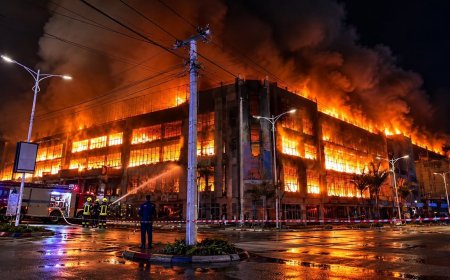
He also accused Russia of continuing attacks on Ukrainian cities and energy infrastructure, pointing to deadly strikes in Zaporizhzhia.
Kyiv has maintained that its attacks on Russian refineries are intended to weaken the infrastructure supporting Moscow’s war effort.
The dispute comes amid pressure on global energy markets following the US-Israeli war with Iran and disruption to shipping through the Strait of Hormuz, a major route for international oil supplies.
Trump has faced domestic pressure over rising fuel costs ahead of the US midterm elections, although energy analysts have questioned whether additional Russian diesel would significantly reduce prices.
The current conflict has roots extending beyond Russia’s full-scale invasion in February 2022.
In 2014, Russia annexed Crimea and backed separatist forces in eastern Ukraine’s Donbas region, triggering years of fighting and unsuccessful efforts to secure a lasting settlement.
On February 24, 2022, Russian forces launched a full-scale invasion from several directions, including towards Kyiv.
Ukrainian resistance forced Russian troops to retreat from areas around the capital, while fighting continued across eastern and southern Ukraine.
The United Nations condemned the invasion as a violation of Ukraine’s sovereignty and the UN Charter.
Zelenskyy remains in office under martial law, which has prevented Ukraine from holding national elections during the war.
The issue has become a recurring point of contention as Trump presses Kyiv to reach a settlement with Moscow.
European officials have defended Ukraine’s position and opposed easing pressure on Russia.
The dispute over diesel exports now threatens to deepen divisions among Kyiv’s Western allies at a time when the war shows no clear sign of ending.
What's Your Reaction?
 Like
0
Like
0
 Dislike
0
Dislike
0
 Love
0
Love
0
 Funny
0
Funny
0
 Angry
0
Angry
0
 Sad
0
Sad
0
 Wow
0
Wow
0