



























































































Seven scenarios that could happen if the US strikes Iran

The United States appears poised to strike Iran in the coming days, but while potential targets are largely predictable, the consequences remain highly uncertain.
If no last-minute diplomatic deal is reached and President Donald Trump orders an attack, a range of scenarios could unfold.
One highly optimistic possibility is that of Targeted, surgical strikes.
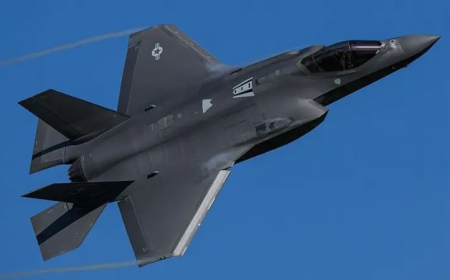
US air and naval forces could carry out precision attacks against Iran’s Islamic Revolutionary Guards Corps (IRGC) and Basij paramilitary bases, ballistic missile sites, and nuclear facilities.
In this scenario, civilian casualties would be minimal, and the weakened regime could eventually transition to democracy, reintegrating Iran with the global community.
However, historical precedent is cautionary: Western intervention in Iraq and Libya toppled dictators but triggered years of chaos.
Syria, which overthrew Bashar Al-Assad in 2024 without Western military support, has fared comparatively better.
Another potential outcome is the Survival of the regime under moderated policies, a “Venezuelan model.”
US strikes might compel the Islamic Republic to curtail support for regional militias, limit nuclear and missile programs, and ease domestic repression.
While the regime would remain in power, this would still leave many Iranians dissatisfied.
Yet Iran’s leadership has resisted change for nearly five decades, making such a scenario unlikely.
A more probable outcome is Regime collapse followed by military rule. Despite widespread unpopularity, the Islamic Republic benefits from a deep security apparatus ready to maintain control through brutality.
In the confusion following US strikes, Iran could end up under the authority of a military government, largely composed of IRGC figures, rather than experiencing a smooth democratic transition.
Iran could also Retaliate directly. Though outmatched by US forces, it could launch ballistic missiles and drones against US bases in the Gulf or target regional allies considered complicit, such as Jordan or Israel.
Historical attacks, like the 2019 strike on Saudi Aramco facilities, demonstrate Iran’s ability to disrupt critical infrastructure.
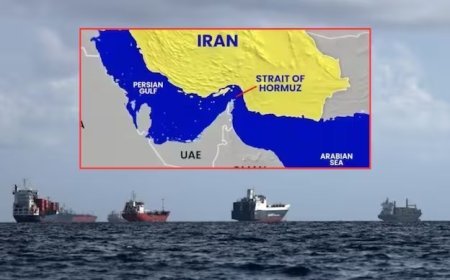
Another concern is Iran laying sea mines in the Strait of Hormuz, a critical chokepoint through which roughly 20–25% of the world’s oil and liquefied natural gas passes annually.
Such action would impact global trade and oil prices, echoing tactics from the Iran-Iraq war.
A more dramatic but unlikely scenario is Sinking a US warship. The IRGC Navy specializes in asymmetric “swarm” attacks using drones and fast boats designed to overwhelm conventional defenses.
Historical precedents, such as the USS Cole bombing in 2000, highlight the potential for even small-scale attacks to inflict significant damage.
Finally, the most dangerous outcome is Regime collapse accompanied by nationwide chaos.
Civil war could erupt, ethnic tensions might flare, and Iran’s 93-million-strong population could face humanitarian crises.
Neighboring states, including Qatar, Saudi Arabia, and Israel, would watch closely, wary of instability spilling across borders.
The greatest danger lies in miscalculation. With US forces amassed near Iran, the pressure on President Trump to act could outweigh caution, sparking a conflict with no clear end and unpredictable consequences for the Middle East and beyond.
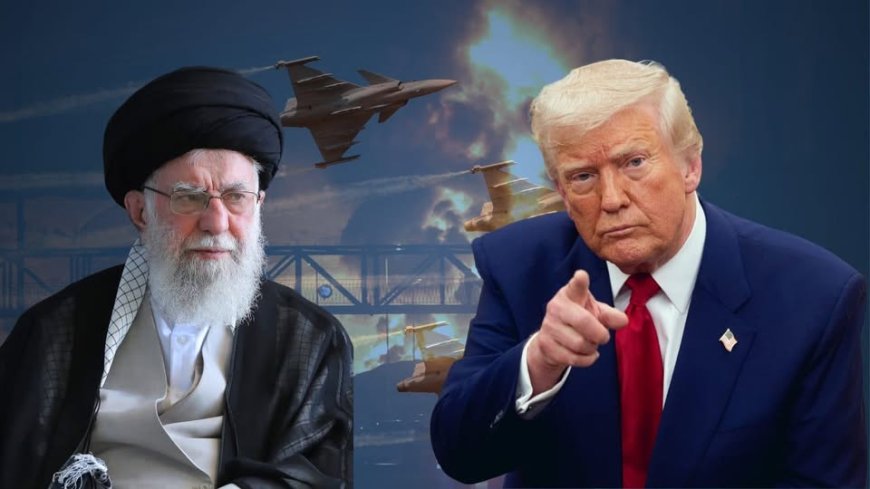
Photo
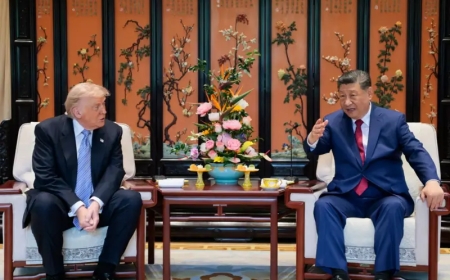
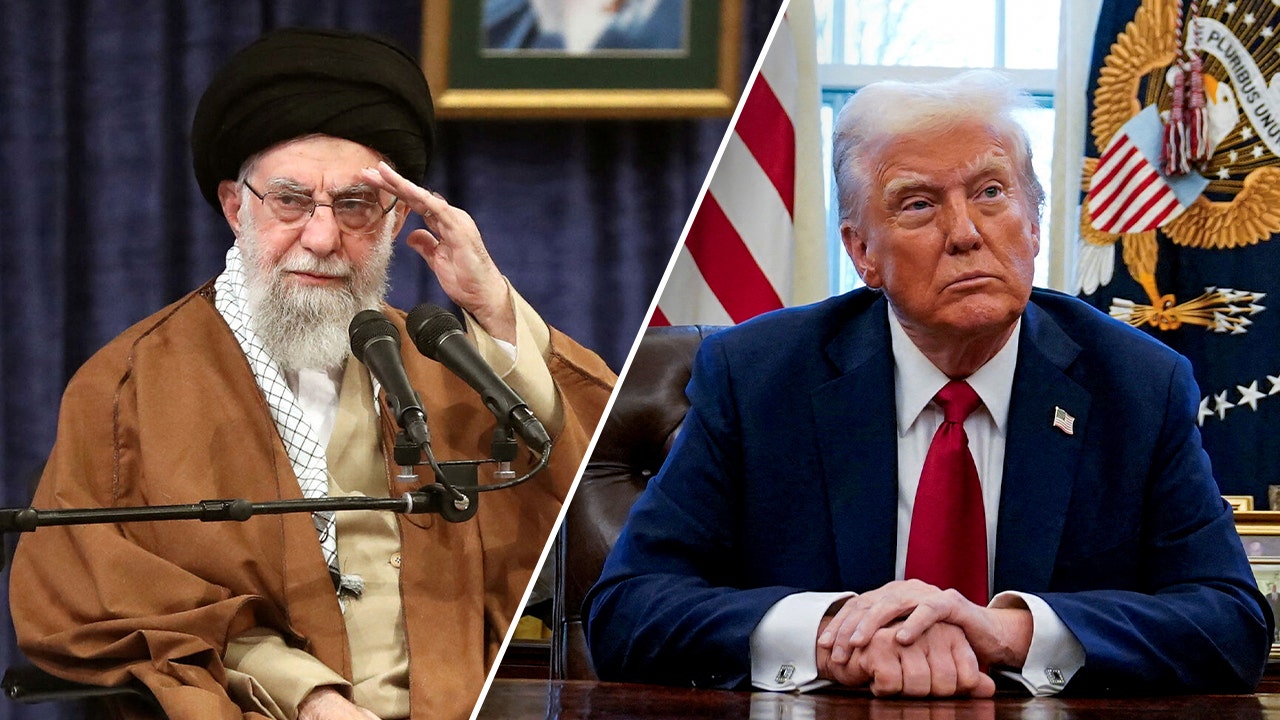 US President Donald Trump and Iran's Supreme Leader Ayatollah Ali Khamenei.
What's Your Reaction?
 Like
0
Like
0
 Dislike
0
Dislike
0
 Love
0
Love
0
 Funny
0
Funny
0
 Angry
0
Angry
0
 Sad
0
Sad
0
 Wow
0
Wow
0