














































































































Rwanda: MINISANTE clarifies rise of the Widespread Flu drawn public attention


Rwanda’s Health Ministry (MINISANTE) says that toward the end of 2025, cases of flu caused by the Influenza A virus are becoming more common among children.
It reassures the public that there is no epidemic, but encourages people to wash their hands more frequently.
The reason children are most affected is because their bodies naturally have weaker immunity.
Last week, these flu cases were widely reported in Rubavu, but the Ministry says they may also appear in other areas, so prevention remains the best option.
Washing hands removes germs, preventing handshakes from becoming a source of spreading flu and other infectious diseases.
Many people often touch their noses, cheeks, or mouths without realizing it, and if their hands carry viruses, they transfer them to their noses and end up contracting flu, coughs, and other illnesses.
The Ministry of Health states that Rwandans should be extra cautious during the rainy season, as flu cases typically rise during this time.
On X, the Ministry reminds the public that Influenza A primarily affects children under five, pregnant women, and the elderly.
Symptoms include persistent coughing, feeling very cold, fatigue, headaches, loss of appetite, sore throat, difficulty breathing, diarrhea, vomiting (especially in children), and fever.
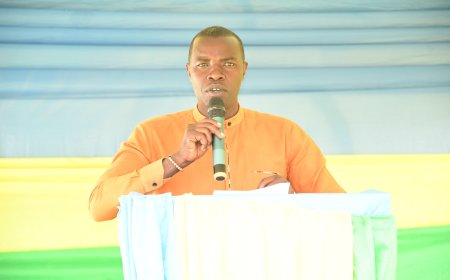
Dr. Sabin Nsanzimana, the Minister of Health, explains:“When the virus (influenza) coincides with bacteria, the illness becomes more severe, especially in children under five. Protect yourself and others from the flu. Seek treatment for a sick child immediately. A sick child should not go to school before recovery because they can infect others.”
Doctors advise that treatment should be sought whenever a person feels unwell.
They warn that waiting a day to seek treatment gives viruses and other pathogens a chance to worsen the illness, making treatment more expensive and more difficult later. In some cases, it can even lead to death.
According to Rwanda’s health authorities, from 2022 to early 2025, Influenza A was detected in 6.6% of tested individuals.
In 2023, cases peaked between March and June. In 2024, it was most prevalent between January and February, then again in February and November.
Throughout 2024, high numbers were reported especially between March, May, and October, more than in any other months of the year.
Meanwhile, Dr. Nsanzimana reassures the public that there is no epidemic of any kind in Rwanda.
What's Your Reaction?
 Like
0
Like
0
 Dislike
0
Dislike
0
 Love
0
Love
0
 Funny
0
Funny
0
 Angry
0
Angry
0
 Sad
0
Sad
0
 Wow
0
Wow
0