












































































Kenya confirms second Ebola case

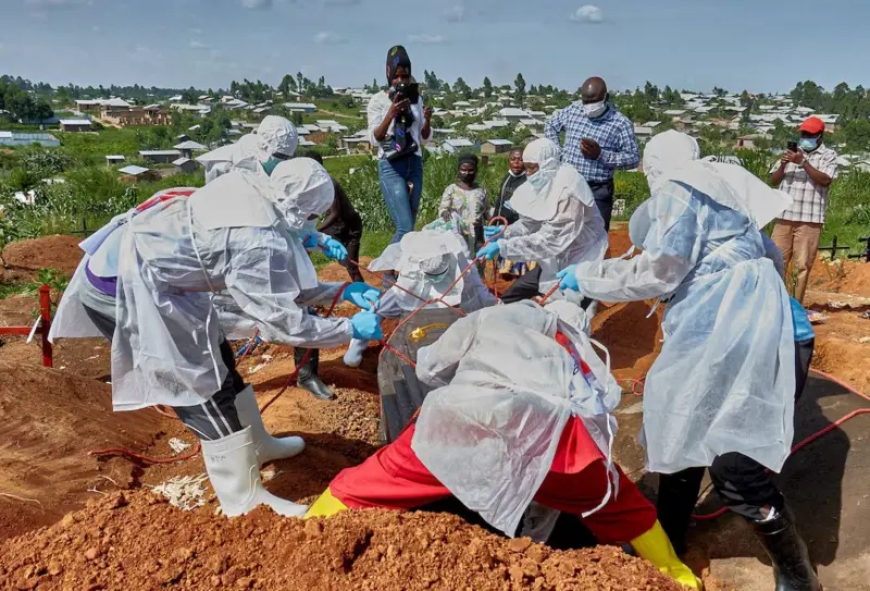
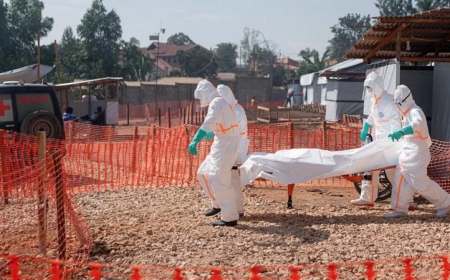
Kenya has confirmed a second case of Ebola caused by the Bundibugyo virus, raising concerns about the risk of further infections after the country recorded its first Ebola-related death last week.
The Ministry of Health said on Wednesday, October 14, that the latest patient is a 39-year-old man who is a close relative of the first victim.
He had already been placed in quarantine and was under daily monitoring when he developed symptoms, including fever, fatigue and joint pain, on Tuesday.
Laboratory tests confirmed the infection, and the man has been transferred to a designated treatment facility.
The ministry said early detection could improve his chances of recovery.
Reuters and the Associated Press also reported that the two confirmed cases are epidemiologically linked, with no evidence of wider community transmission so far.
Kenya’s first patient was a 40-year-old Kenyan who had been living in the Democratic Republic of Congo (DRC), where he fell ill and received treatment at several health facilities.
He travelled through Uganda before arriving in Nairobi on October 3. He tested positive for Ebola and died on October 5.
Authorities have identified 128 people who may have been exposed to the first patient.
Of these, 113 have been traced, including 108 who are in quarantine in Kenya and five who are outside the country.
The remaining 15 contacts are still being sought, while health officials are tracing people who may have interacted with the second patient.
According to the World Health Organization (WHO), Kenya confirmed its first imported case of Bundibugyo virus disease on October 6.
The agency is supporting the government’s response, including surveillance, contact tracing, screening at high-risk entry points and public awareness campaigns.
The current outbreak originated in the DRC, where infections have continued to spread across several provinces.
WHO has warned that cross-border movement presents challenges for containing the disease, making rapid identification and isolation of suspected cases essential.
Bundibugyo is a species of Ebola virus.
WHO says there is currently no approved vaccine or specific treatment for this strain, although supportive medical care can be provided to patients.
Kenyan authorities have strengthened screening at airports and border crossings and urged the public to remain vigilant.
However, the government has not announced a suspension of travel, trade or public gatherings, and the country’s borders remain open.
What's Your Reaction?
 Like
0
Like
0
 Dislike
0
Dislike
0
 Love
0
Love
0
 Funny
0
Funny
0
 Angry
0
Angry
0
 Sad
0
Sad
0
 Wow
0
Wow
0