






















































USA seeks engagement with three West African Juntas aligned with Russia

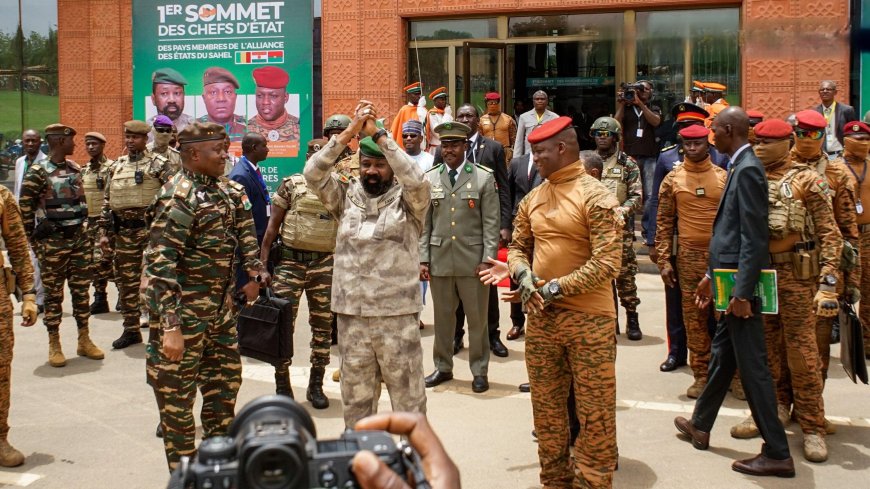
The United States has announced a major shift in its policy toward three West African countries—Mali, Burkina Faso and Niger—whose military governments are fighting Islamist insurgencies and have broken defence ties with France while moving closer to Russia.
The US State Department said that Nick Checker, head of its Bureau of African Affairs, would visit Mali’s capital, Bamako, to express Washington’s “respect for Mali’s sovereignty” and to chart a “new course” in bilateral relations, acknowledging past “policy missteps”.
The statement also said the US was seeking cooperation with Mali’s allies, Burkina Faso and Niger, on shared security and economic interests.
Notably absent from this new approach is the long-standing American emphasis on democracy and human rights.
Under the Biden administration, military cooperation had been suspended after coups between 2020 and 2023 ousted elected civilian leaders in all three countries, including Niger’s president Mohamed Bazoum, who remains under house arrest.
The announcement confirms a policy change that has been increasingly evident since Donald Trump returned to the White House.
Soon after his inauguration, the administration shut down USAID operations in the region, signalling a retreat from development assistance.
This was followed by a narrower focus on security cooperation and access to strategic mineral resources, while governance and democratic reform were sidelined.
Washington’s message of respect for sovereignty is likely to resonate with the Sahelian military leaders, who have built domestic support through pan-Africanist rhetoric and rejection of France’s influence.
Burkina Faso’s leader, Captain Ibrahim Traoré, in particular, has gained wide popularity by presenting himself as a symbol of resistance to “imperialism” and “neo-colonialism”.
Senior US officials have made clear that the Trump administration is unconcerned by the juntas’ rejection of Western-style constitutional democracy.
Massad Boulos, a senior adviser on Africa, said last year that while democracy was valued, the US would not interfere in countries’ internal political choices.
This marks a sharp contrast with the Biden era, when Africom’s former commander, General Michael Langley, stressed governance and environmental concerns alongside military support.
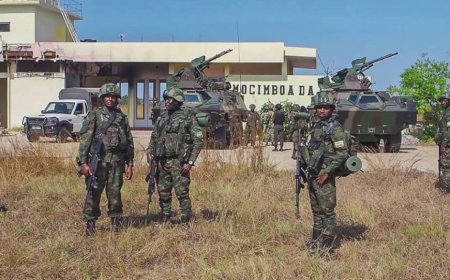
Security is now the overriding priority. US officials have repeatedly underlined their commitment to helping the three countries fight jihadist groups, particularly Islamic State affiliates operating across the Sahel, a region now described by analysts as the global epicentre of terrorism.
Attacks in the tri-border area and a recent assault on Niamey’s airport highlight the scale of the threat.
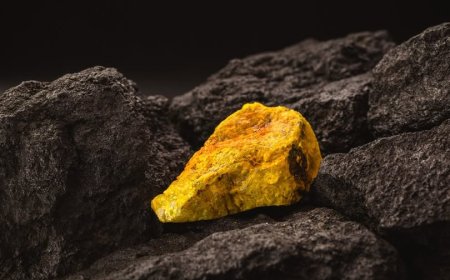
Strategic resources are another concern. The Sahel is rich in gold, lithium and uranium.
Niger’s junta has seized control of its main uranium mine from the French firm Orano and is moving to partner with Russia.
Washington is also keen to avoid leaving Russia as the sole external security partner in the region, despite allegations of abuses by Russian forces, especially in Mali.
While the US does not plan to redeploy large numbers of troops or reopen its former drone base in Niger, it is providing intelligence support and may supply weapons.
Regional cooperation is also shifting, as Mali, Burkina Faso and Niger have left Ecowas and formed the Alliance of Sahel States.
Although US support may deliver short-term gains against militants, experience shows that military solutions alone cannot bring lasting stability without addressing the region’s deep social and economic challenges.
What's Your Reaction?
 Like
0
Like
0
 Dislike
0
Dislike
0
 Love
0
Love
0
 Funny
0
Funny
0
 Angry
0
Angry
0
 Sad
0
Sad
0
 Wow
0
Wow
0