





















































Queen Gicanda, 32 years after her killing in the Genocide against the Tutsi

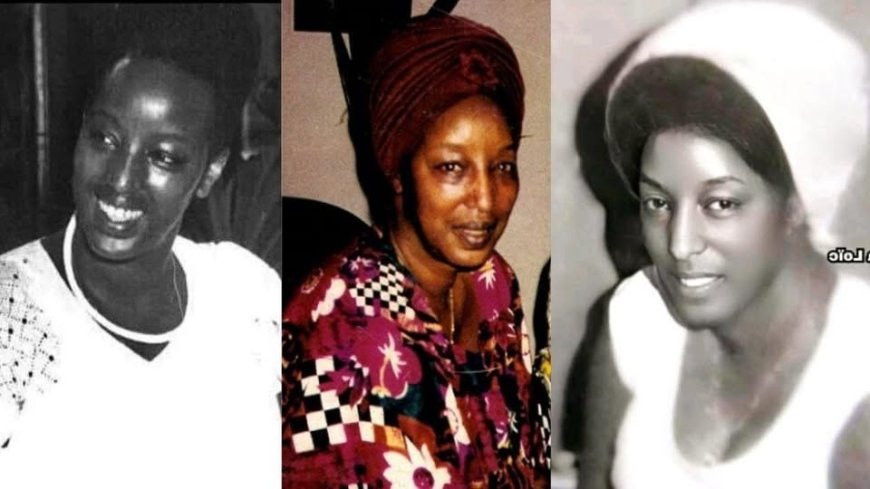
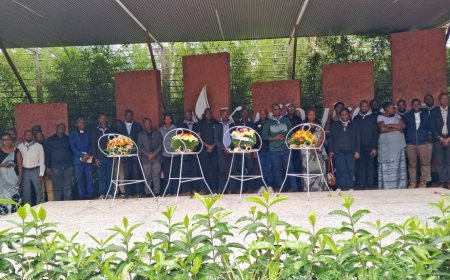
On April 20, 2026, Rwanda marks a solemn remembrance of Rosalie Gicanda, the last Queen of Rwanda, whose life was brutally cut short on April 20, 1994, during the Genocide against the Tutsi.
Known for her grace, humility, and compassion, Queen Gicanda remains a powerful symbol of unity in Rwanda’s history.
Born in 1928, Queen Gicanda was widely admired not only for her royal dignity but also for her kindness toward ordinary citizens.
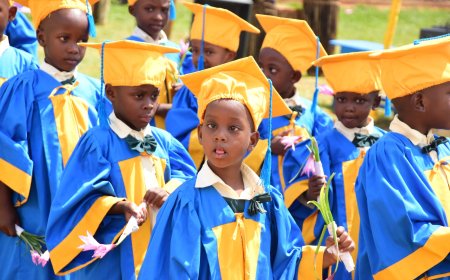
In Taba, Butare—now Huye District—she was known for sharing milk with children from her neighborhood, a simple yet profound gesture that reflected her deep humanity.
Even after the abolition of the monarchy in 1961, she chose to live quietly among the people, maintaining close ties with the community.
Her assassination on April 20, 1994, stands as one of the most painful moments of the Genocide against the Tutsi.
Targeted by local authorities and Interahamwe militia, she was killed because she embodied a unifying figure for Rwandans beyond ethnic divisions.
Her death marked not only the loss of a revered individual but also the silencing of a voice that represented national cohesion.
The date of her remembrance falls within one of the darkest periods of the Genocide.
Between April 20 and 23, 1994, mass killings intensified across southern Rwanda.
April 21 alone witnessed the slaughter of more than 250,000 Tutsi in areas such as Kinazi, Butare, Karama, Cyanika, Murambi, and Kaduha.
These atrocities followed a deliberate expansion of the genocide into southern and western prefectures, orchestrated by the interim government.
Key political and military figures played central roles in mobilizing and executing the killings.
Under the leadership of Théodore Sindikubwabo and Prime Minister Jean Kambanda, authorities traveled across regions to incite violence.
In Butare, the removal of Prefect Jean Baptiste Habyarimana—who had resisted the killings—and his replacement with extremist Sylvain Nsabimana marked a turning point.
A network of officials, including Pauline Nyiramasuhuko and Callixte Kalimanzira, coordinated mass mobilization and violence.
Similar patterns unfolded in Gitarama, Kibuye, and Gikongoro, where political leaders, military officers, and local administrators organized systematic killings.
Many of these individuals were later tried and convicted by the International Criminal Tribunal for Rwanda, while others remain fugitives.
The genocide was a state-driven campaign, meticulously planned and executed with devastating efficiency.
It ultimately claimed the lives of more than one million people, predominantly Tutsi, before being halted by the Rwandan Patriotic Front.
Today, the memory of Queen Rosalie Gicanda endures as a reminder of both profound loss and enduring dignity.
Her life represents compassion and unity, while her death underscores the consequences of hatred and division.
As Rwanda continues to remember, her legacy calls for vigilance, remembrance, and a commitment to “Never Again.”
What's Your Reaction?
 Like
0
Like
0
 Dislike
0
Dislike
0
 Love
0
Love
0
 Funny
0
Funny
0
 Angry
0
Angry
0
 Sad
0
Sad
0
 Wow
0
Wow
0