








































Rwanda and Burundi held talks to de-escalate rising tensions

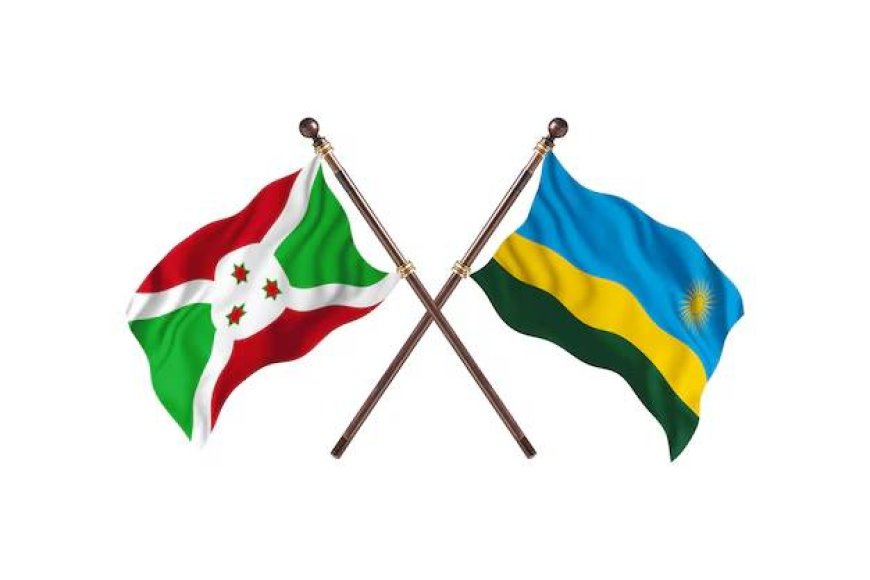
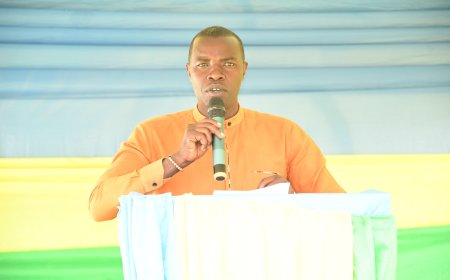
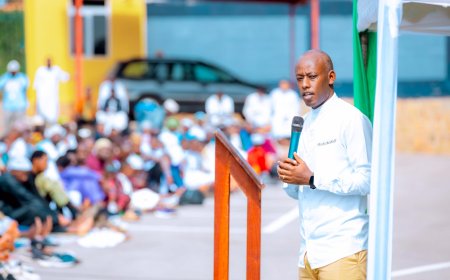
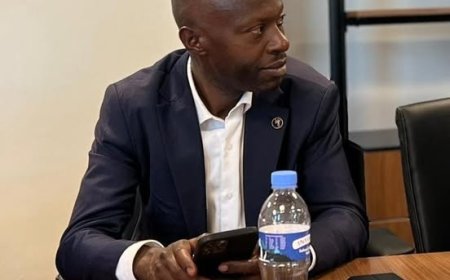
Rwanda and Burundi have held security talks aimed at easing growing diplomatic and military tensions between the two neighboring countries, Rwanda’s Minister of Foreign Affairs and International Cooperation, Olivier Nduhungirehe, has confirmed.
Speaking over the weekend, Nduhungirehe said security agencies from both countries met to discuss ways of addressing what he described as a deteriorating relationship marked by mutual accusations and regional instability.
Relations between Rwanda and Burundi have remained strained for years.
Burundi has repeatedly accused Rwanda of harboring individuals involved in a failed coup attempt in 2015 and of supporting the RED-Tabara armed group—claims that Kigali has consistently denied.
Burundian President Évariste Ndayishimiye and other senior officials have on several occasions told international media that they possess intelligence suggesting Rwanda intends to attack Burundi.
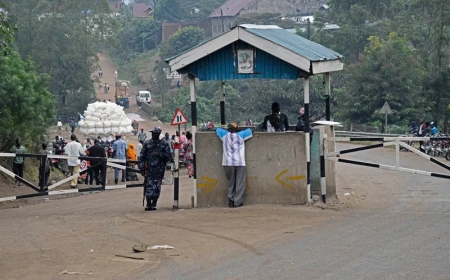
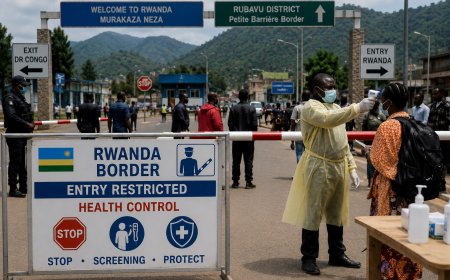
In early 2024, Burundi closed all land borders it shares with Rwanda, citing security concerns.
Rwanda has rejected the allegations, instead accusing Burundi of aligning itself with the armed forces of the Democratic Republic of the Congo (DRC), which cooperate with the FDLR militia.
Kigali argues that this cooperation effectively places Burundi alongside the FDLR, a group it considers a major security threat.
Tensions have further escalated following continued fighting in eastern DRC.
Then, With the city of Uvira under the control of AFC/M23 forces, Burundi has accused Rwanda of shelling its territory—an accusation Rwanda strongly disputes.
In an interview with France 24 broadcast on December 18, 2025, Nduhungirehe dismissed the claims as false, asserting that Burundian forces had instead fired shells into Congolese territory.
“That is not true,” he said. “It was Burundian shells that landed in the town of Kamanyola, forcing Congolese civilians to flee into Rwanda, particularly in Bugarama.”
Asked whether dialogue between Kigali and Bujumbura was ongoing, Nduhungirehe confirmed that meetings between the two countries’ security agencies had taken place over the weekend and could continue.
“We believe that if these meetings are sustained, they will lead to a solution, help restore a positive regional climate, and bring a return to compliance with existing peace agreements,” he said.
On the situation in the DRC, Nduhungirehe said discussions are being conducted under the Washington process, which established a Joint Security Coordination Mechanism tasked with dismantling the FDLR and overseeing the removal of Rwanda’s defensive security measures.
Although peace agreements were signed on December 4, 2025, he noted that ongoing military operations by the DRC have hindered their implementation.
The FDLR is estimated to comprise between 7,000 and 10,000 fighters, many of whom operate within the Congolese armed forces (FARDC) alongside Burundian troops. More than 20,000 Burundian soldiers are currently deployed in eastern DRC to fight AFC/M23 forces.
Nduhungirehe said meetings of the Joint Security Coordination Mechanism are expected to resume, focusing on the complete eradication of the FDLR and the lifting of Rwanda’s defensive measures.
What's Your Reaction?
 Like
0
Like
0
 Dislike
0
Dislike
0
 Love
0
Love
0
 Funny
0
Funny
0
 Angry
0
Angry
0
 Sad
0
Sad
0
 Wow
0
Wow
0