























































Iran women’s captain Zahra Ghanbari withdraws Australia asylum bid

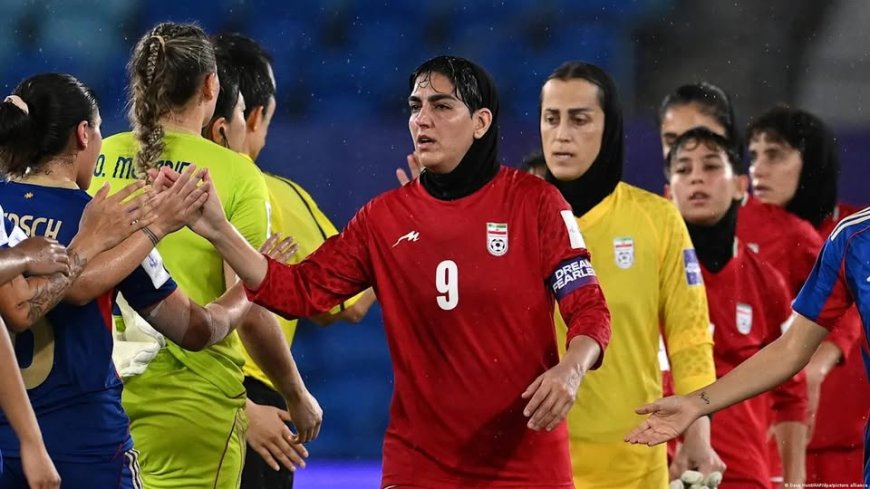
The captain of the Iran women's national football team, Zahra Ghanbari, has withdrawn her request for asylum in Australia and is preparing to return to Iran, according to reports from Islamic Republic News Agency (IRNA).
Her decision makes her the fifth member of the Iranian delegation to reverse an earlier bid for asylum following the team’s participation in the AFC Women's Asian Cup.
Ghanbari had been in Australia with her teammates during the tournament but will now depart from Malaysia and travel back to Iran within hours, state media reported.
Earlier, three players and one member of the support staff had already abandoned their asylum applications and left Australia for Malaysia before heading home.
The situation surrounding the Iranian women’s team gained international attention after several members of the squad initially sought asylum amid fears of potential repercussions upon returning to Iran.
According to Australia’s Home Affairs Minister, Tony Burke, the Australian government had offered protection and humanitarian visas to all players and staff members before the team departed the country.
The offer came after concerns that the athletes could face punishment at home, particularly following a controversial moment during the tournament when the players refused to sing the Iranian national anthem before their opening match.
The team played three group-stage matches during the tournament at Gold Coast Stadium on March 2, 5 and 8.
Their refusal to sing the national anthem in the first match drew significant attention and backlash in Iranian media.
A presenter on the state broadcaster Islamic Republic of Iran Broadcasting (IRIB) reportedly labelled the players “traitors,” intensifying fears for their safety upon returning home.
When Iran played its second match against the Australia women's national soccer team, the players not only sang the anthem but also saluted it, which sparked speculation among fans and human rights activists that the team may have been pressured to change its stance following criticism from authorities and state media.
Amid the political tension, Australia’s government confirmed that multiple Iranian players had accepted offers of protection.
Five players initially signed immigration papers seeking asylum, with another player and a member of staff later joining them.
However, in the days that followed, several athletes reconsidered their decisions.
One player, Mohadese Zolfigol, reportedly reversed her decision after speaking with teammates and contacting the Iranian embassy.
Ultimately, with Ghanbari’s decision to return, only two members of the Iranian squad remain in Australia, where they have been promised protection and the opportunity to resettle.
According to FIFPRO, the global players’ union, each member of the squad was independently interviewed by the Australian Federal Police and informed of their rights and the support available to them before making their final decision.
The developments highlight the complex intersection of sport and politics, as athletes competing on the international stage sometimes face difficult personal choices shaped by events beyond the field.
What's Your Reaction?
 Like
0
Like
0
 Dislike
0
Dislike
0
 Love
0
Love
0
 Funny
0
Funny
0
 Angry
0
Angry
0
 Sad
0
Sad
0
 Wow
0
Wow
0