



































































Why La Liga clubs lead UEFA champions league Quarter-final charge

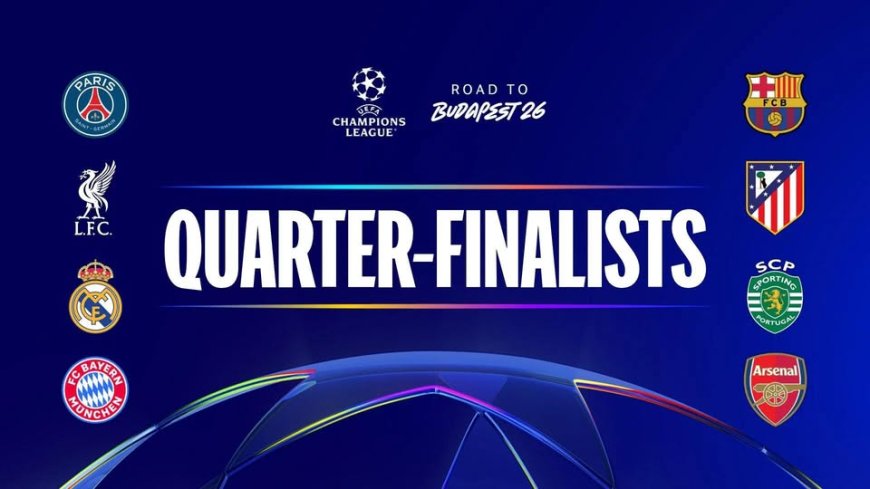
Spanish clubs have once again underlined their dominance in European football during the 2025–26 UEFA Champions League season, with three teams reaching the quarter-finals in impressive fashion.
The continued success of Real Madrid, FC Barcelona, and Atlético Madrid is no coincidence, but rather the result of a powerful combination of tactical excellence, squad depth, elite experience, and a strong footballing identity rooted in La Liga.
One of the main reasons behind this dominance is tactical sophistication. Spanish teams are widely recognized for their adaptability and game intelligence.
Whether it is possession-based play, high pressing, or defensive organization, these clubs demonstrate an ability to adjust to different opponents and match situations.
Managers in Spain emphasize technical quality and positional awareness, allowing their teams to control the tempo of games against Europe’s elite sides.
Another key factor is the blend of youth and experience within these squads.
Clubs like Real Madrid and Barcelona have successfully integrated emerging talents with seasoned internationals who understand the demands of the Champions League.
This balance ensures both energy and composure—young players bring dynamism, while experienced figures deliver leadership in high-pressure moments, especially in knockout stages.
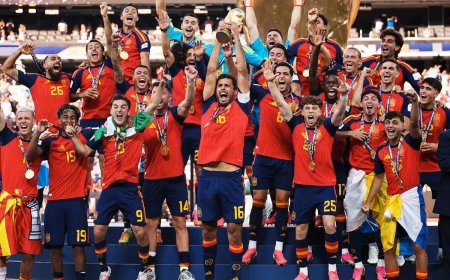
European pedigree also plays a major role. Real Madrid, in particular, carries a historic aura in the competition, having won the tournament a record number of times.
That winning mentality often gives Spanish sides a psychological edge over opponents. Even in difficult situations, they remain confident and composed, qualities that are crucial in tight two-legged ties.
Financial stability and smart recruitment strategies have further strengthened Spanish clubs.
Rather than relying solely on big-money transfers, many La Liga teams focus on developing talent through their academies while making targeted signings that fit their playing philosophy.
This approach has created cohesive teams rather than collections of individual stars.
Finally, the competitive nature of La Liga itself prepares these teams for European challenges.
Facing technically skilled and tactically disciplined opponents week in and week out sharpens their abilities and resilience.
As a result, when they step onto the Champions League stage, they are already accustomed to high-level competition.
In conclusion, the presence of three Spanish teams in the quarter-finals of the 2025–26 Champions League highlights the strength and consistency of Spanish football.
Through tactical mastery, balanced squads, rich experience, and a strong domestic foundation, La Liga clubs continue to set the standard in European competitions.
What's Your Reaction?
 Like
1
Like
1
 Dislike
0
Dislike
0
 Love
0
Love
0
 Funny
0
Funny
0
 Angry
0
Angry
0
 Sad
0
Sad
0
 Wow
0
Wow
0