



















































AFCON 2025: Salah’s Quest for glory collides with Morocco target home triumph

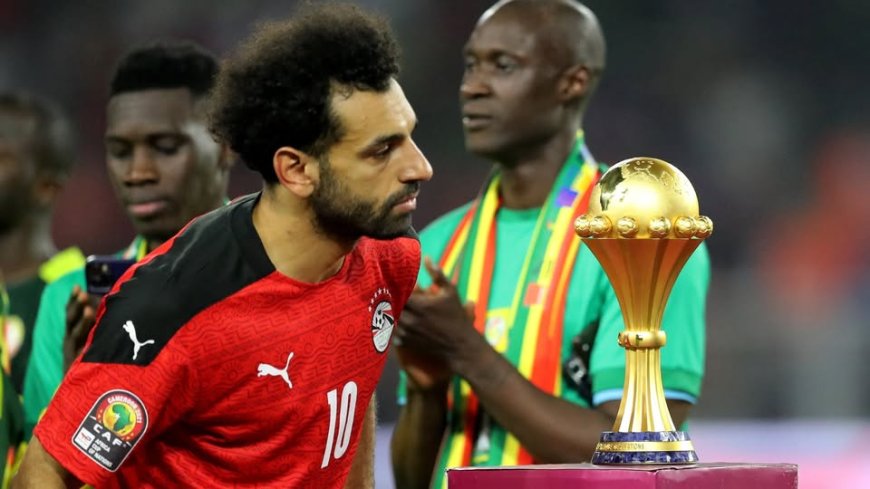
As the Africa Cup of Nations kicks off in Morocco on Sunday, attention has finally shifted from off-field disputes to the action on the pitch.
After months of debate over player availability and the mid-season timing of the tournament, Africa’s biggest football spectacle is ready to deliver drama once again.
Two dominant storylines headline the 2025 finals. First, can host nation Morocco turn home advantage into glory by extending their record-breaking run of victories and claiming only their second Afcon title? Second, will Egypt’s Mohamed Salah finally lift the continental trophy after coming agonisingly close on two previous occasions?
Salah arrives in Morocco amid intense scrutiny. The 33-year-old’s future at Liverpool has dominated headlines since his public frustration with the club earlier this month.
After returning from the bench at Anfield last weekend, the Egyptian forward now turns his focus to a fifth Afcon campaign, hoping to erase the pain of final defeats in 2017 and 2021.
Yet Afcon is rarely defined by just one or two narratives. The tournament’s history is shaped by unpredictability.
Ivory Coast’s stunning home triumph last year — achieved despite sacking their coach during the group stage — underlined how chaos can fuel success.
Senegal, meanwhile, have continued to impress, reinforcing their credentials with a landmark victory over England in June.
Nigeria are eager to improve on their runners-up finish at the 2023 finals, while traditional heavyweights Cameroon appear unsettled following internal turmoil.
Both nations are seeking redemption after failing to qualify for the 2026 Fifa World Cup.
With seven different champions crowned across the last eight editions, Morocco 2025 promises another fiercely contested tournament.
Benin assistant coach Tunde Adelakun described the Afcon trophy as the “holy grail of African football”, a sentiment echoed across the continent.
Morocco, however, carry the weight of expectation. The Atlas Lions are favourites, buoyed by home support and their status as Africa’s top-ranked side following a historic run to the semi-finals of the 2022 World Cup.
Their world-record streak of 18 consecutive wins is impressive, though critics note that Tunisia are the only team inside the global top 50 they have defeated during that run.
For head coach Walid Regragui, managing pressure will be key after Morocco exited in the last 16 in 2023.
Tickets sold out within hours, and fans are already dreaming of celebrating a first Afcon triumph since 1976 in Rabat on 18 January.
Captain Achraf Hakimi is racing to be fit, but even without their influential leader, Morocco are expected to progress comfortably from the group stage.
Midfielder Sofyan Amrabat emphasised the importance of unity and intensity, noting that success in African football requires heart as much as talent.
Off the pitch, organisers remain alert. Protests earlier this year criticised heavy investment in football infrastructure ahead of Morocco’s co-hosting of the 2030 World Cup, while devastating floods in the Safi region recently claimed dozens of lives.
Authorities are keen to ensure the tournament proceeds smoothly as Morocco seeks to reinforce its position as Africa’s leading football nation.
Once again, the mid-season timing of Afcon has caused friction with European clubs.
CAF had limited flexibility after Fifa scheduled its expanded Club World Cup for June and July, forcing the continental tournament into January.
A late decision allowing clubs to release players just seven days before kickoff — rather than the usual 14 — disrupted preparations for several teams.
Mali coach Tom Saintfiet called the ruling “catastrophic”, while Comoros were forced to cancel a friendly and shorten their training camp ahead of facing Morocco in the opening match.
CAF, however, remains committed to holding Afcon every two years, with the competition serving as its primary revenue source for reinvestment across African football.
Among other contenders, South Africa have developed a strong collective under Hugo Broos, the coach who guided Cameroon to Afcon glory in 2017.
Algeria also look dangerous, led by prolific forward Mohamed Amoura, the top scorer in African World Cup qualifiers.
Cameroon’s build-up has been particularly turbulent. Federation president Samuel Eto’o dismissed head coach Marc Brys, while goalkeeper Andre Onana and striker Vincent Aboubakar were controversially omitted from the squad.
New coach David Pagou insists the decisions were made to reshape the team’s mentality.
There are no debutants at this tournament, but Sudan’s qualification stands out after they played all their matches away due to ongoing conflict at home.
Botswana, Mozambique, and Tanzania are all chasing their first Afcon victories and hoping to reach the knockout stages for the first time.
With 12 former champions competing, a first-time winner seems unlikely. Still, seasoned observers know that at the Africa Cup of Nations, the unexpected is never far away.
What's Your Reaction?
 Like
0
Like
0
 Dislike
0
Dislike
0
 Love
0
Love
0
 Funny
0
Funny
0
 Angry
0
Angry
0
 Sad
0
Sad
0
 Wow
0
Wow
0